
Bat-friendly
Garden Design
Melanie Hick Garden Design
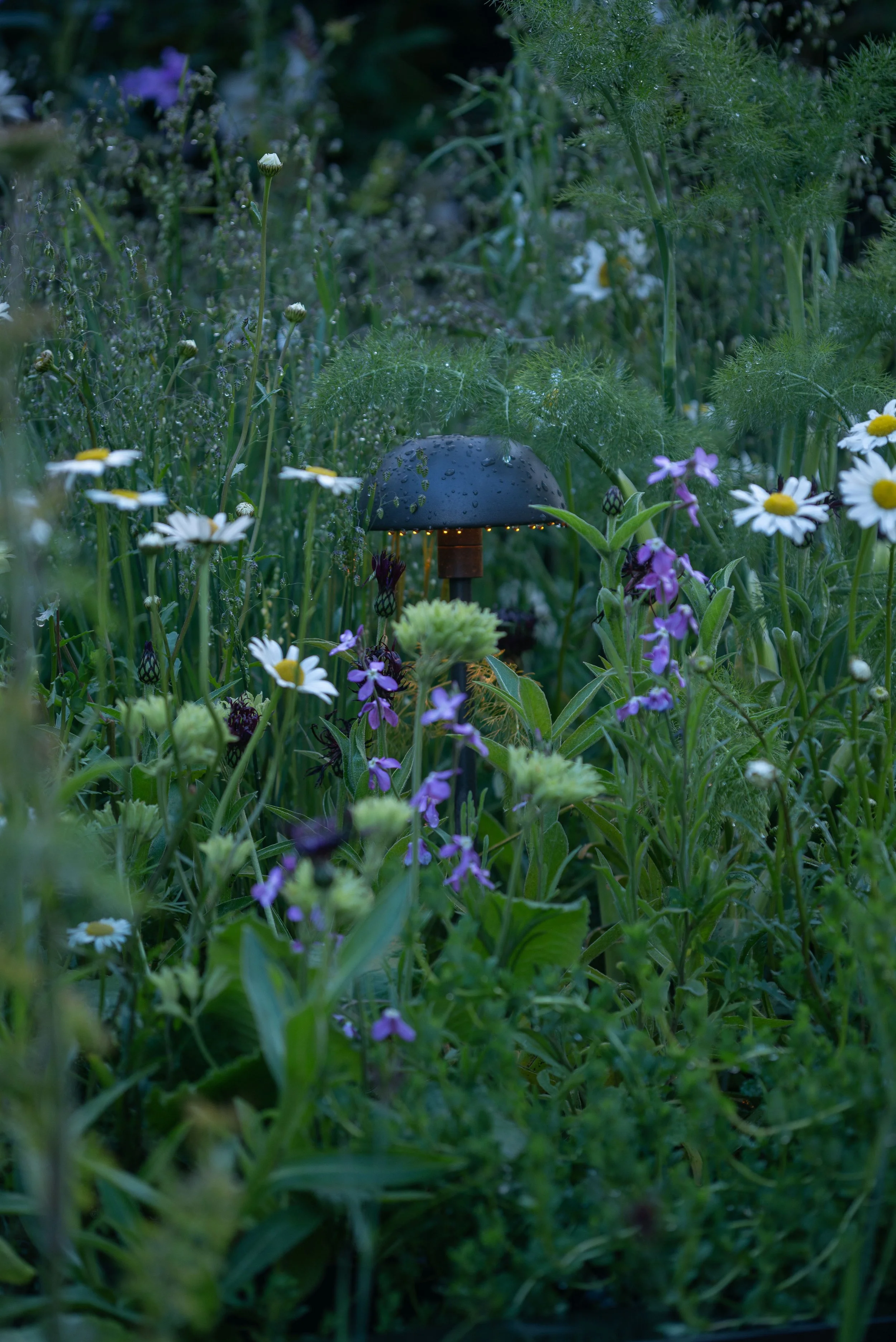
With the first bat-focused garden at the RHS Chelsea Flower Show, I wanted to show how wildlife-friendly garden design backed by ecology can be impactful and desirable.
A garden that supports bats and meets planning conditions can have a sophisticated palette, a strong style, exquisite paving, bespoke furniture and fantastic one-off art pieces.
Habitat for bats can be bespoke and jewel-like if you’re lacking access to the bats’ preferred roosts in ancient oaks and their kin.
Lighting can be beautiful and useful, as long as it’s off when we retreat indoors and subtle, illuminating downwards and respecting the creatures of the night.
Thinking about crepuscular creatures is just one way I like to look at gardens differently.
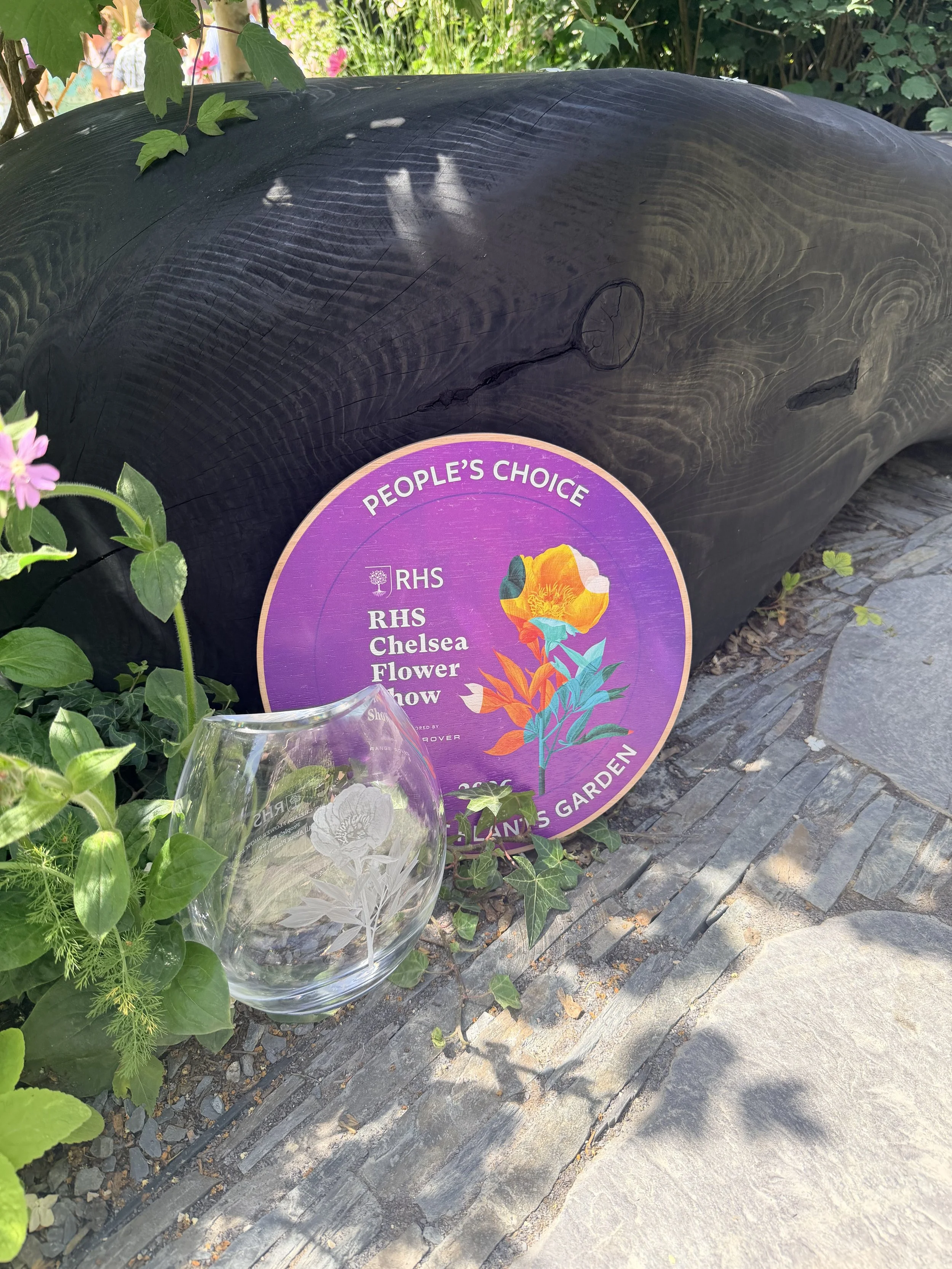
Read on to find out how the light coloured blooms, rich opportunities for invertebrates and moths, bat-safe lighting make for a garden that people loved (it won the People’s Choice Award).
Chelsea’s first bat garden
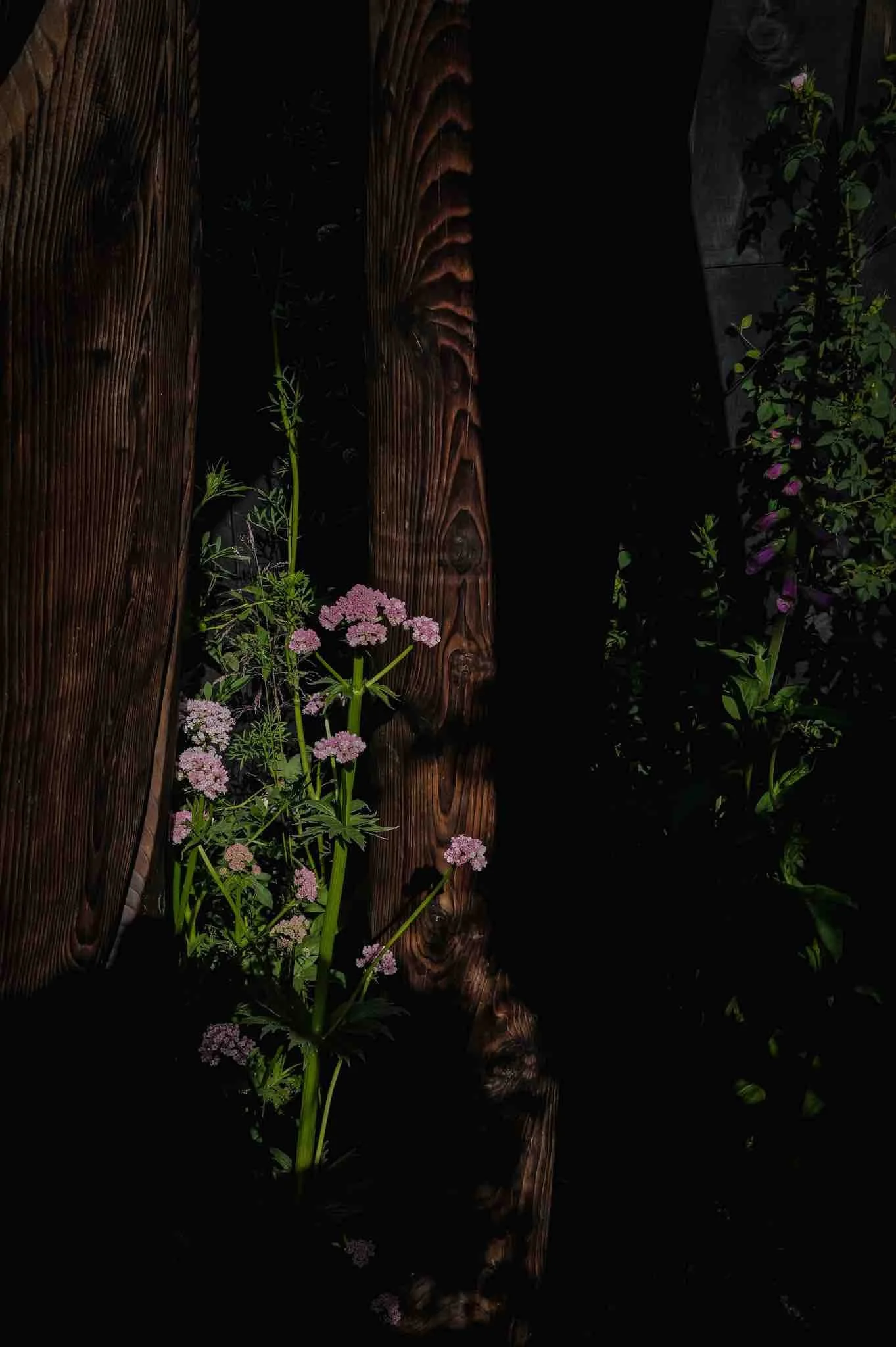
A key indicator species of environmental health, bats are top predators keeping insect numbers like mosquitoes under control.
Making up ¼ of all UK mammal species, the 18 UK bats species vary between healthy population numbers and being deeply under threat because of human activity like felling our ancient trees, isolating pockets of woodland and over-lighting at night.
In a garden bats can eat up to 1000 insects each a night, taking care of flies, moths and mosquitoes.
If found in woodland they indicate the presence of high nature value trees.
THE UK’S 18 SPECIES
Alcathoe bat
Barbastelle
Bechstein's bat
Brandt's bat
Brown long-eared bat
Common pipistrelle
Daubenton's bat
Greater horseshoe bat
Greater mouse-eared bat
Grey long-eared bat
Leisler's bat
Lesser horseshoe bat
Nathusius' pipistrelle
Natterer's bat
Noctule
Serotine
Soprano pipistrelle
Whiskered bat
Why bats matter
The principles of bat-friendly garden and landscape design
In focusing on bats we are able to focus the mind on species-specific benefits of wildlife gardening. A garden that is good for bats is full of attractive plants, will have water and a range of habitats and will support other species too.
What bat-friendly design looks like in private gardens is:
An opportunity to have a richly textured interesting garden with plenty of different flower and leave shapes
A planting palette to suit your preferred colours from a long list supplied by the Bat Conservation Trust.
Rotted leaves, logs and bark as opportunistic habitat for the invertebrates and insects that bats eat
Dark sky standard lighting that goes off when you head indoors
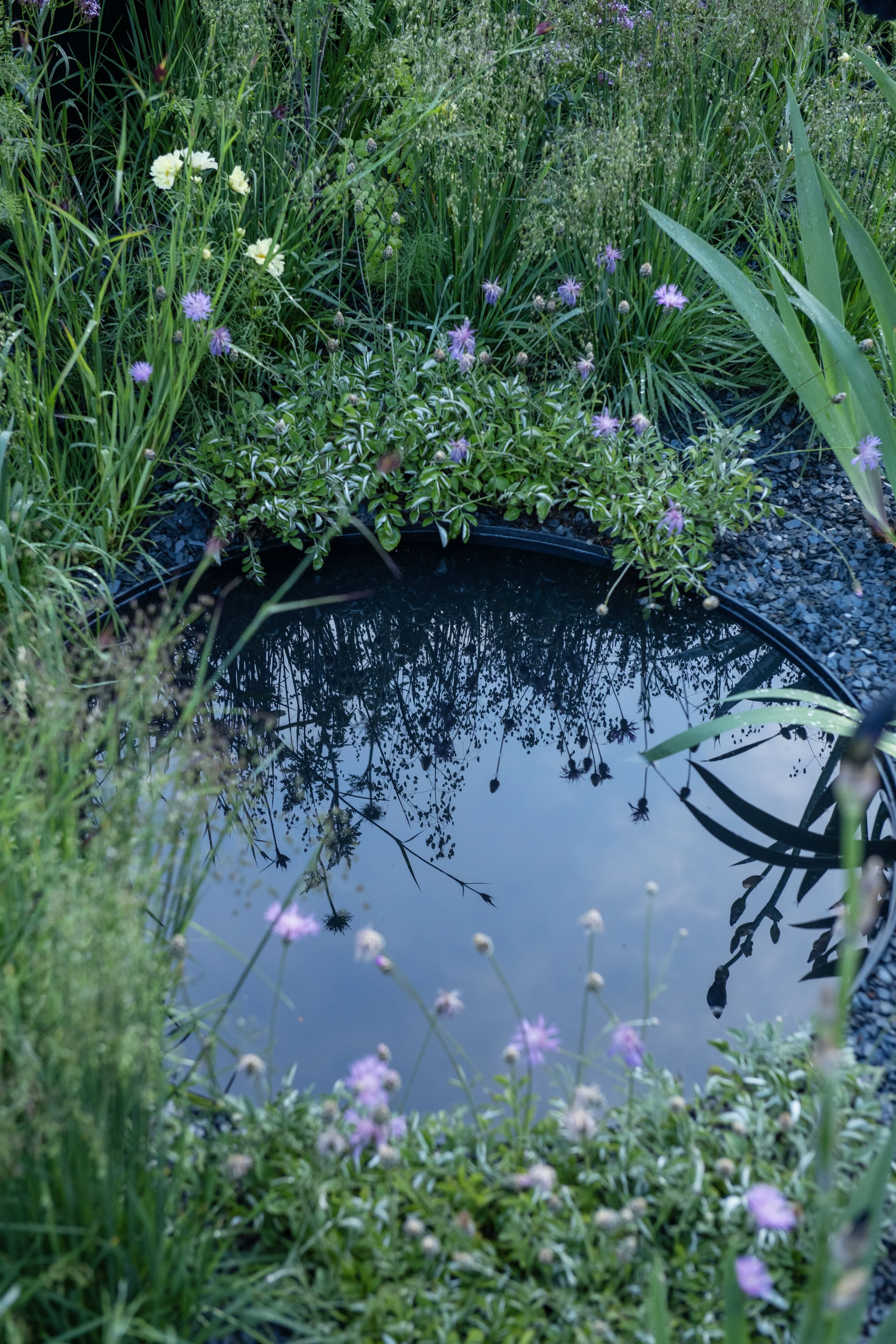
Still water to support the life cycle of moths and invertebrates
In landscape the principles expand to include:
A rare opportunity to put other creatures first before ourselves
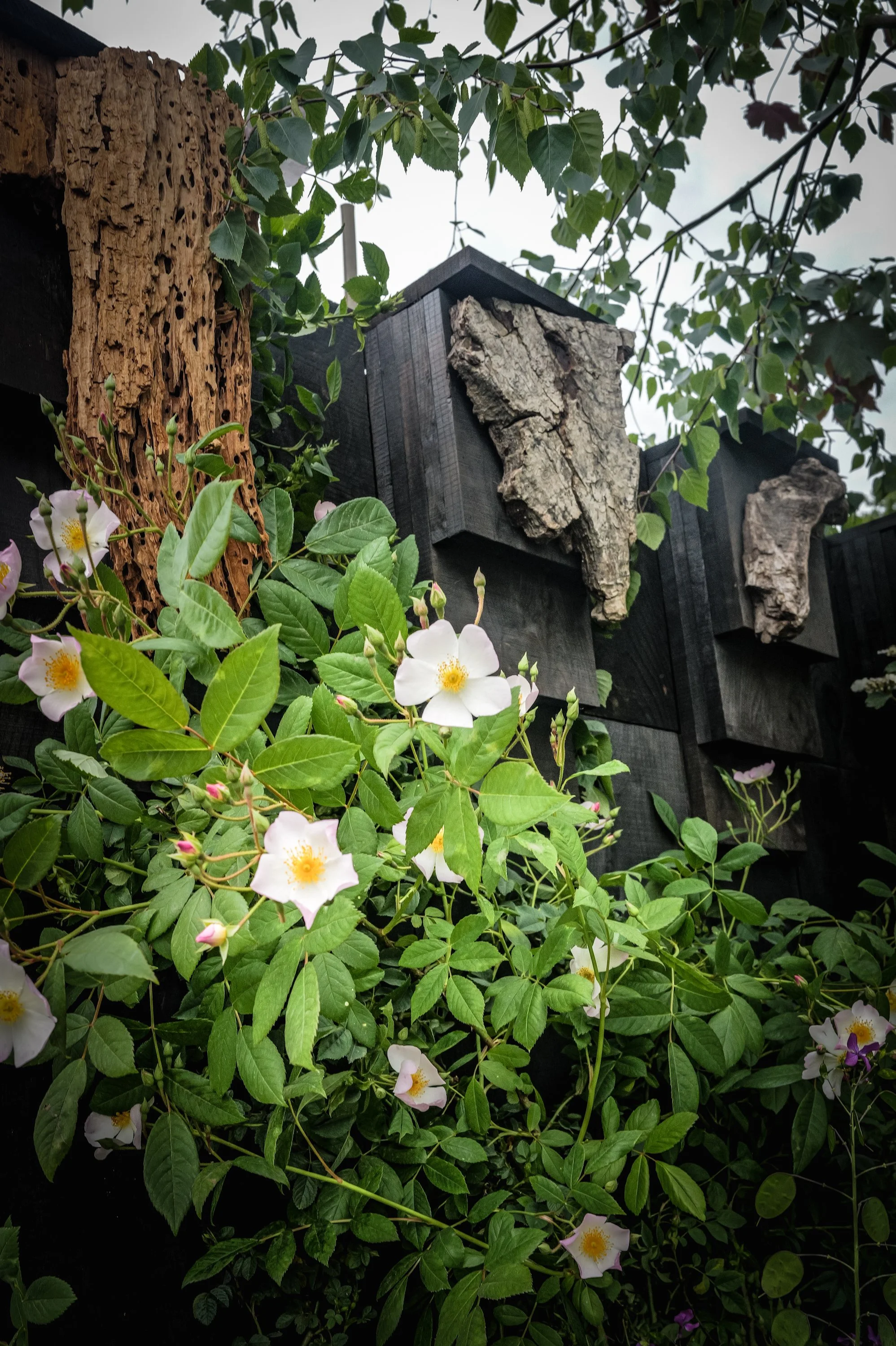
Chances to build architecturally intriguing bat housing
Dark sky neighbourhood and region prestige
Permission to keep woodland for its own sake, not just timber value
Lower lighting infrastructure and costs
Extensive lists of ecologically-researched plants that can be as designed or naturalistic as required
The Nocturnal Garden story
The story of the Nocturnal Garden begins in Melbourne in the 1980s and now lives on in Swansea after its turn at the RHS Chelsea Flower Show.
I have long adored bats, having grown up near the large flying foxes that live in a colony on the Yarra River in Melbourne. Then when I met the Bat Conservation Trust during my Hampton Court Garden Festival show in 2024 I knew we should take the story to the bigger stage at Chelsea.
I pitched to Project Giving Back in their last year of supporting gardens and good causes at Chelsea alongside the ideal relocation partner and the lead ecologist from the charity.
Our passion and the unique. wildlife message ensured the garden was chosen from scores of applicants to be one of four built there in the All About Plants category with Project Giving Back’s support. The category was apt because bats need the right plants to feed the insects they eat.
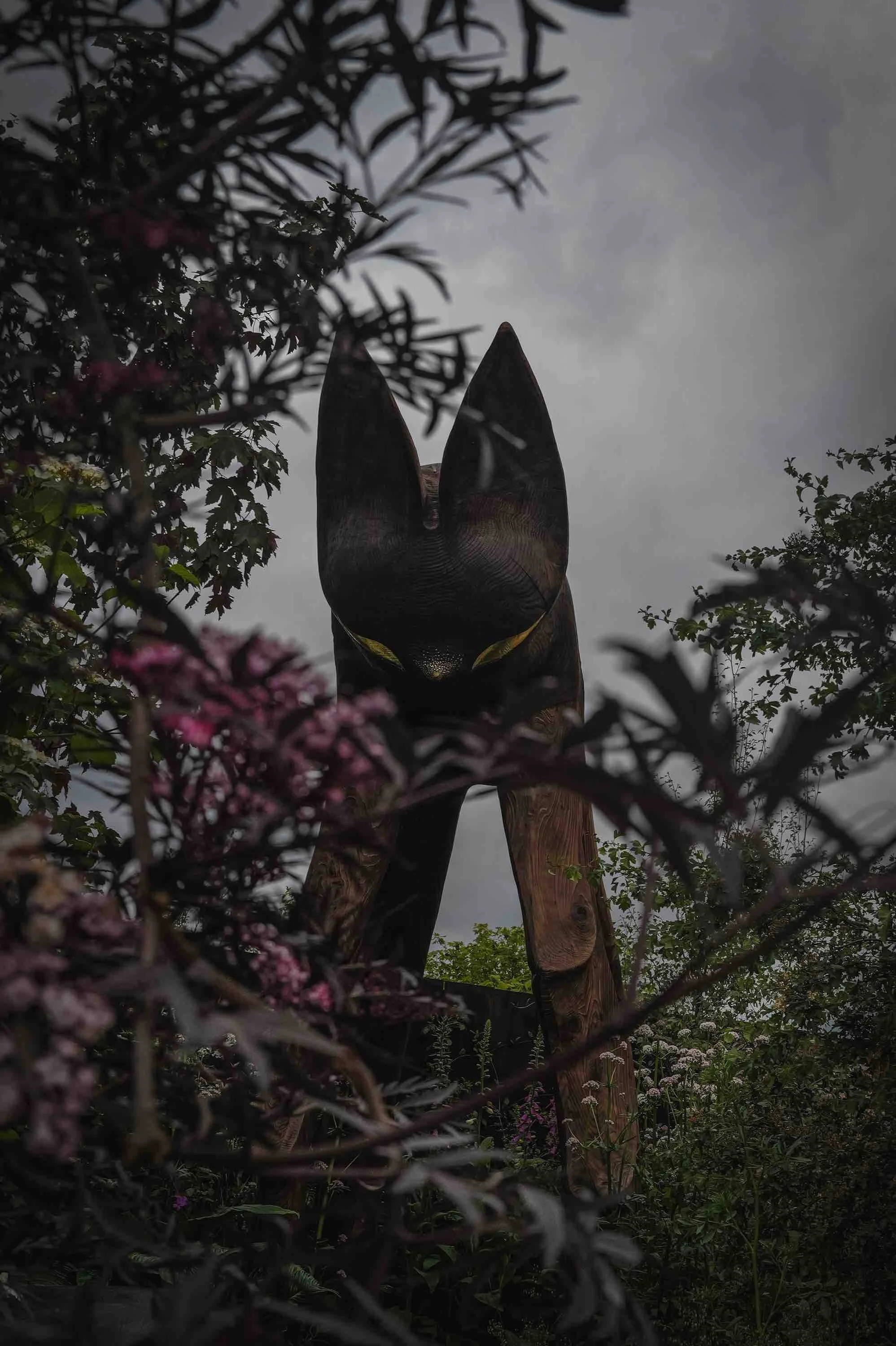
A huge art piece was required to add drama to the message and Tach Pollard’s folkloric and intuitive carving was the only choice.
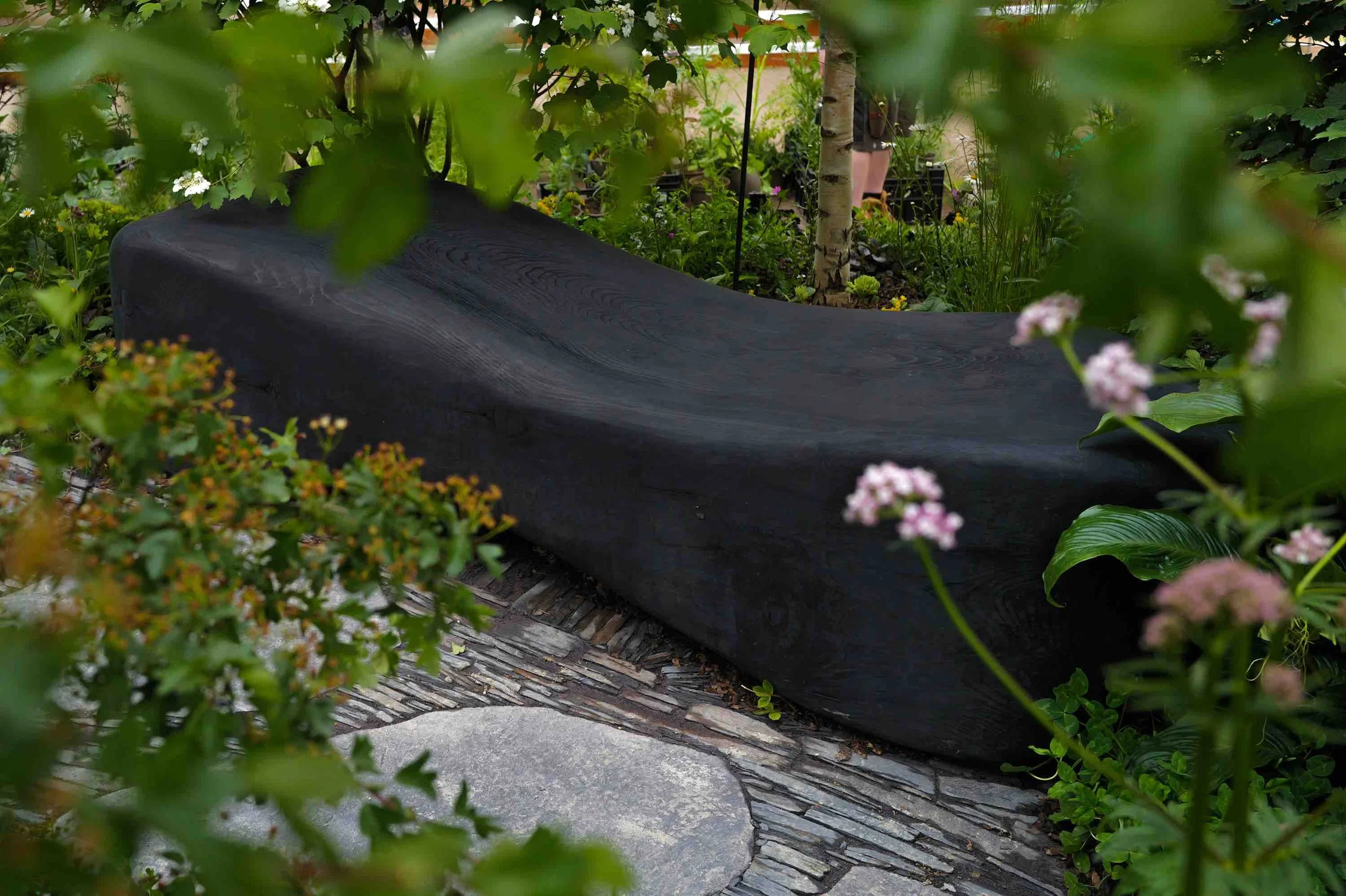
Collaborators Reclaimed Design supported with making a bespoke bat gazing bench at no charge, with Henry and Caroline carefully crafting bat boxes that now live on at Clydach Community Gardens.
Ros Atkinson of Her Dark Materials was my choice of photographer to capture the dark mood of the garden along with Chelsea stalwart Bennet Smith - expert in making the garden appear nestled into a landscape.
Recognising the bat garden
The RHS judges awarded the Nocturnal Garden a silver gilt medal, a remarkable measure for a Chelsea first timer. Then the viewers and visitors decided it was their favourite All About Plants garden, awarding it the People’s Choice Award.
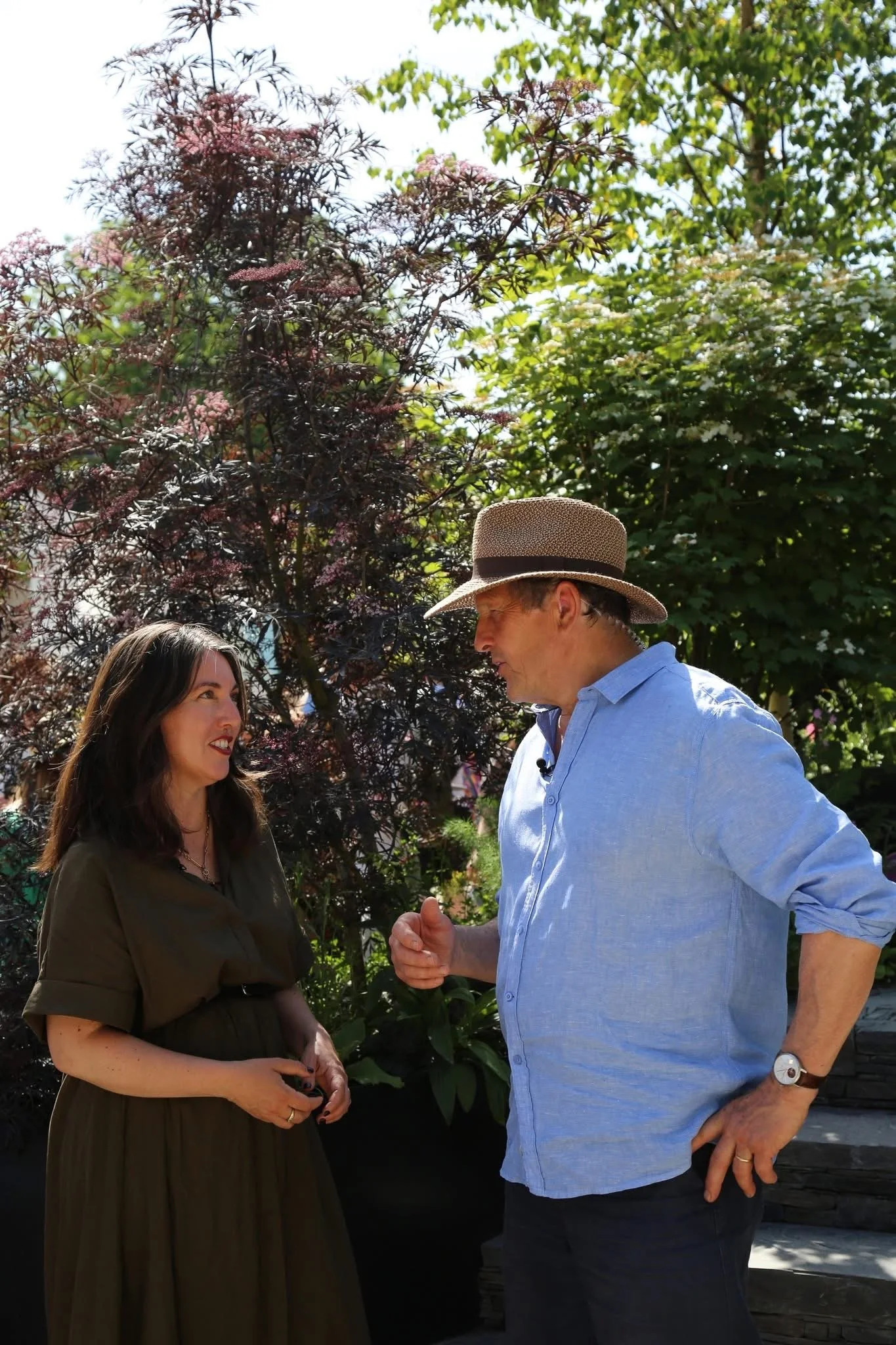
The Nocturnal Garden was widely covered by the press including an interview the Monty Don on BBC Gardener’s World.
Adam Frost and Toby Buckland both filmed for BBC Chelsea Flower Show TV coverage on the garden, with Toby discussing the “genius” planting design and Adam focusing on the bespoke seating nestled into the planting.
Press coverage of the Nocturnal Garden included:
Gardens Illustrated
BBC Chelsea Flower Show TV daily coverage
The Times
Channel 4 news
Gardenista
The English Garden
Country Living
New Scientist
BBC Radio Wales
The Independent
Plants of the Nocturnal Garden
The ideal plants for a bat-friendly garden or landscape design depend on the area you are in and the species you wish to support.
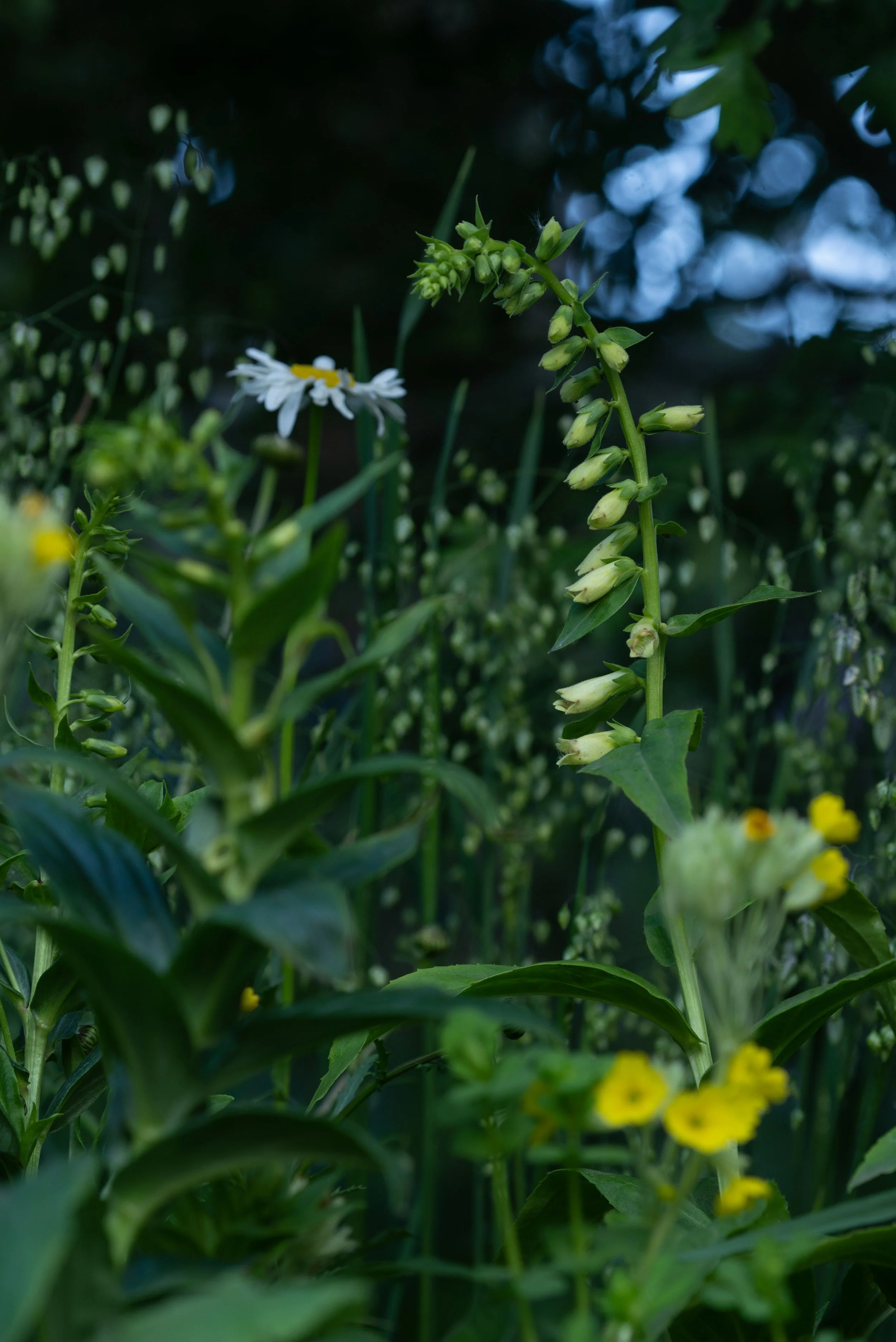
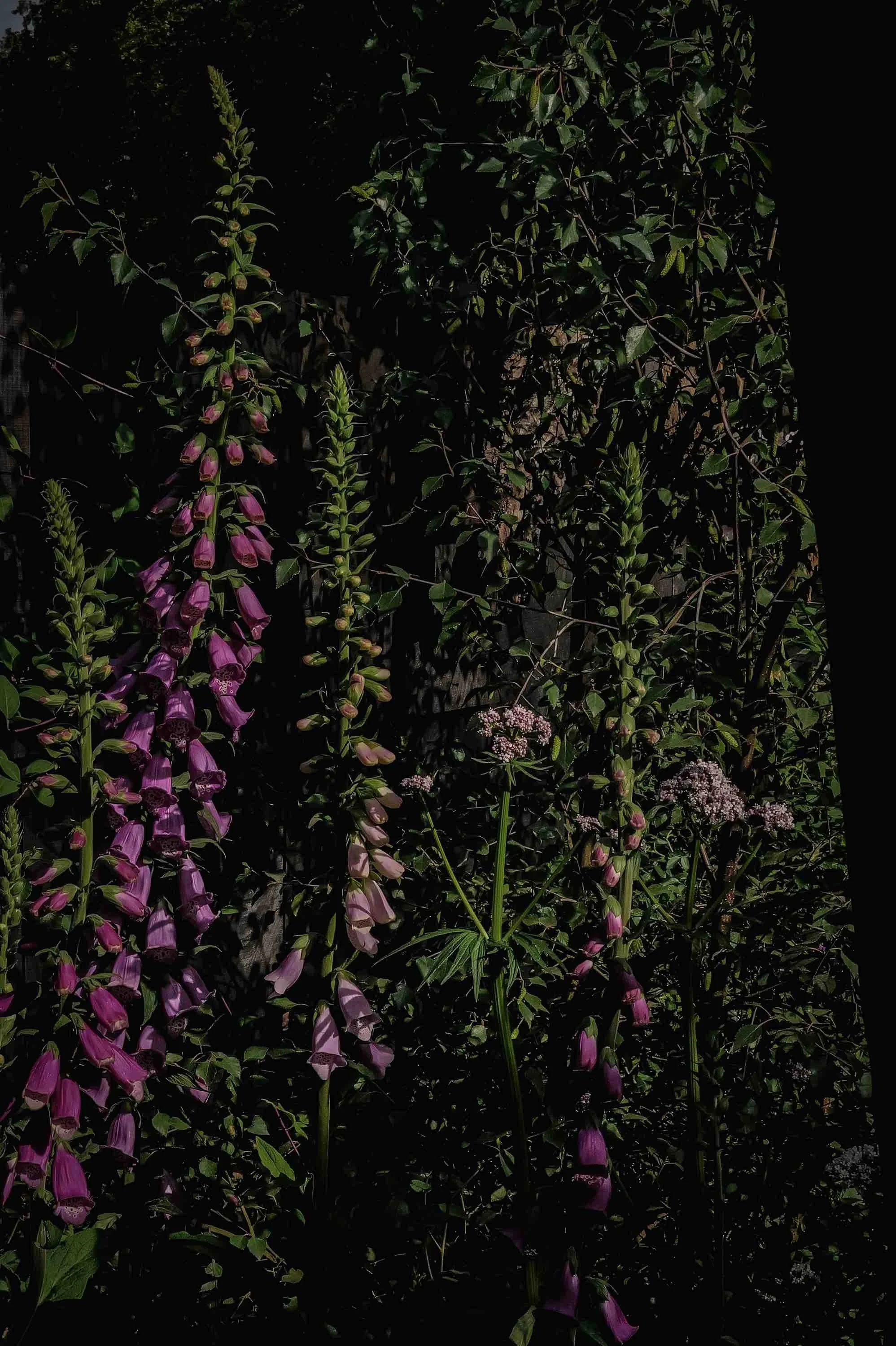
For instance the foxglove pug moth visits the foxglove plant and supports the common and soprano pipistrelle and brown long-eared bats.
If you are lucky enough to have a surfeit of foxgloves, we would design a planting palette to address the species that need support where you are.
Importantly this is not a purist pursuit. You can serve bats their preferred dinner and have other plants you simply find enjoyable.
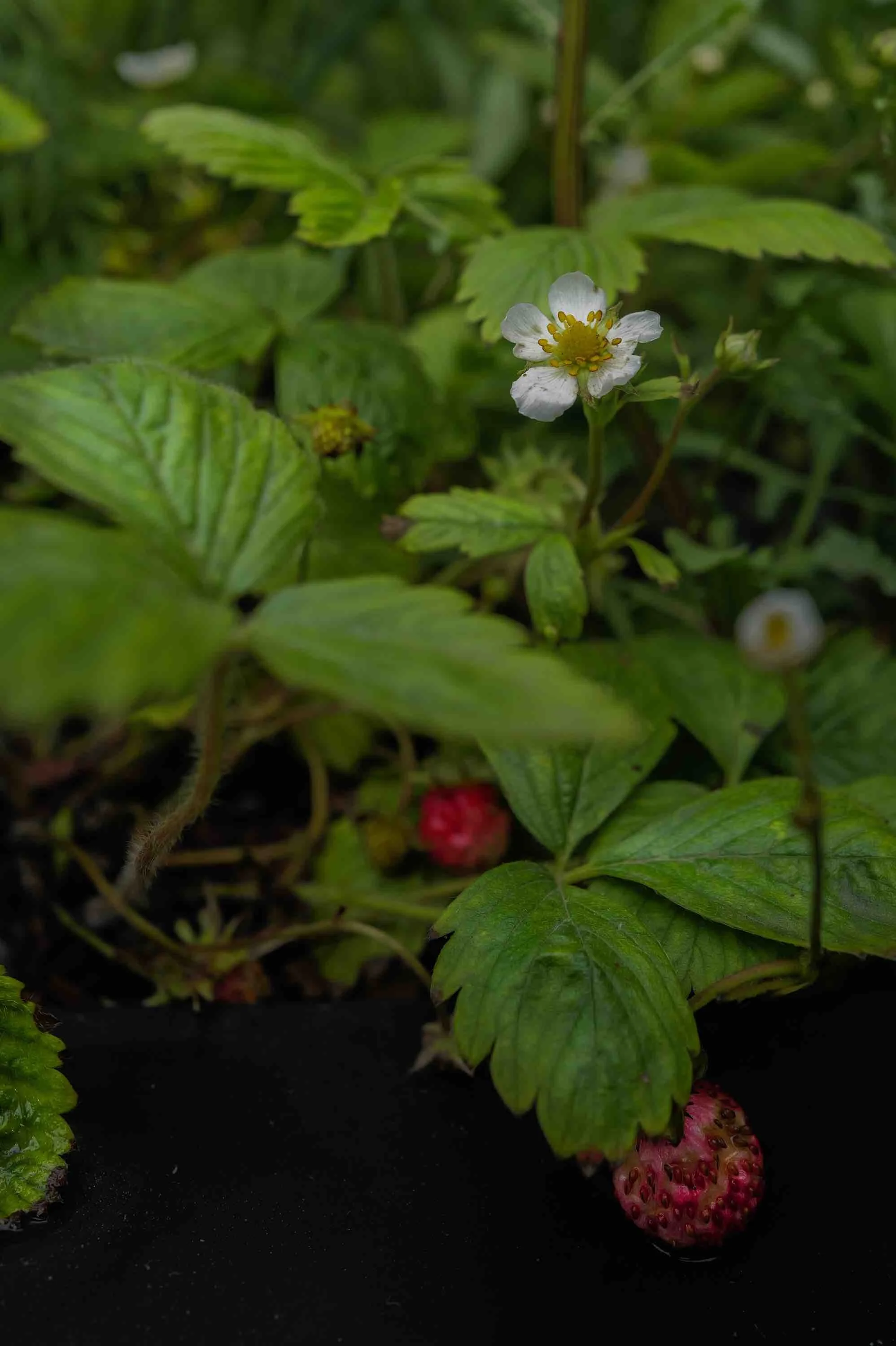
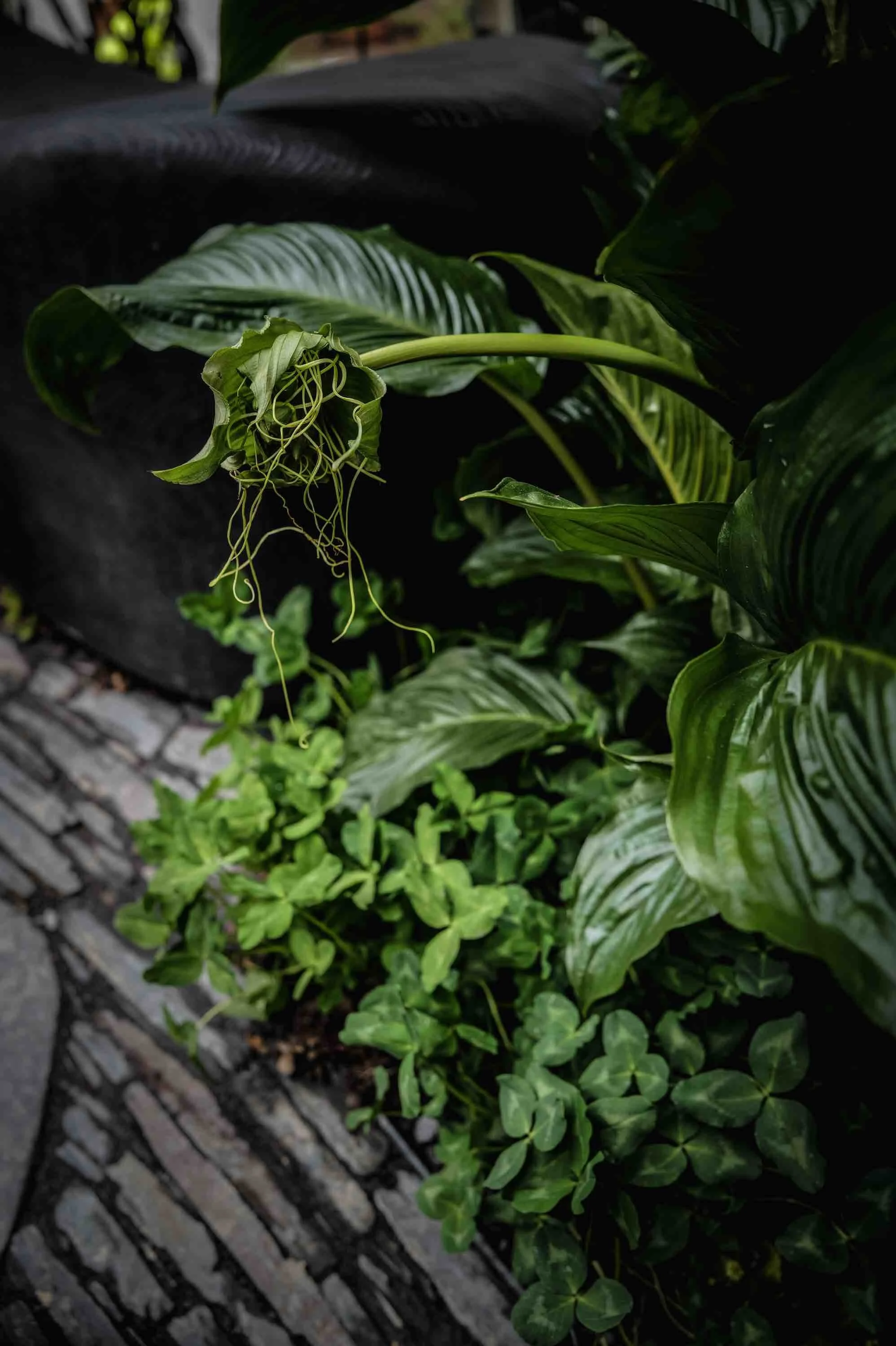
The Chelsea bat garden included native trees, open-faced roses, simple flowers, dark irises for enjoyment and wild strawberries because they are a useful groundcover. Night-scented stock, white flowers and British wildflowers were essential to the bat garden.
Frequently Asked Questions
We begin with understanding the ecology of your garden or landscape, often working with ecological surveys. This can be in the UK or abroad.
How do YOU design gardens for bats?
1
Yes. We have experience in consulting with landholders who have commissioned structures such as bespoke bat barns for country estates.
will this work for a country landscape?
2
Yes, Melanie Hick Garden Design has training in designing for bats in urban areas.
will this work for my city garden?
3
Do you have bat lighting knowledge?
4
Yes we work with a dark sky standard lighting supplier and can consult on planning submissions addressing lighting that affects bats.
Commission your
bat-friendly garden or landscape design
Melanie@MelanieHick.com
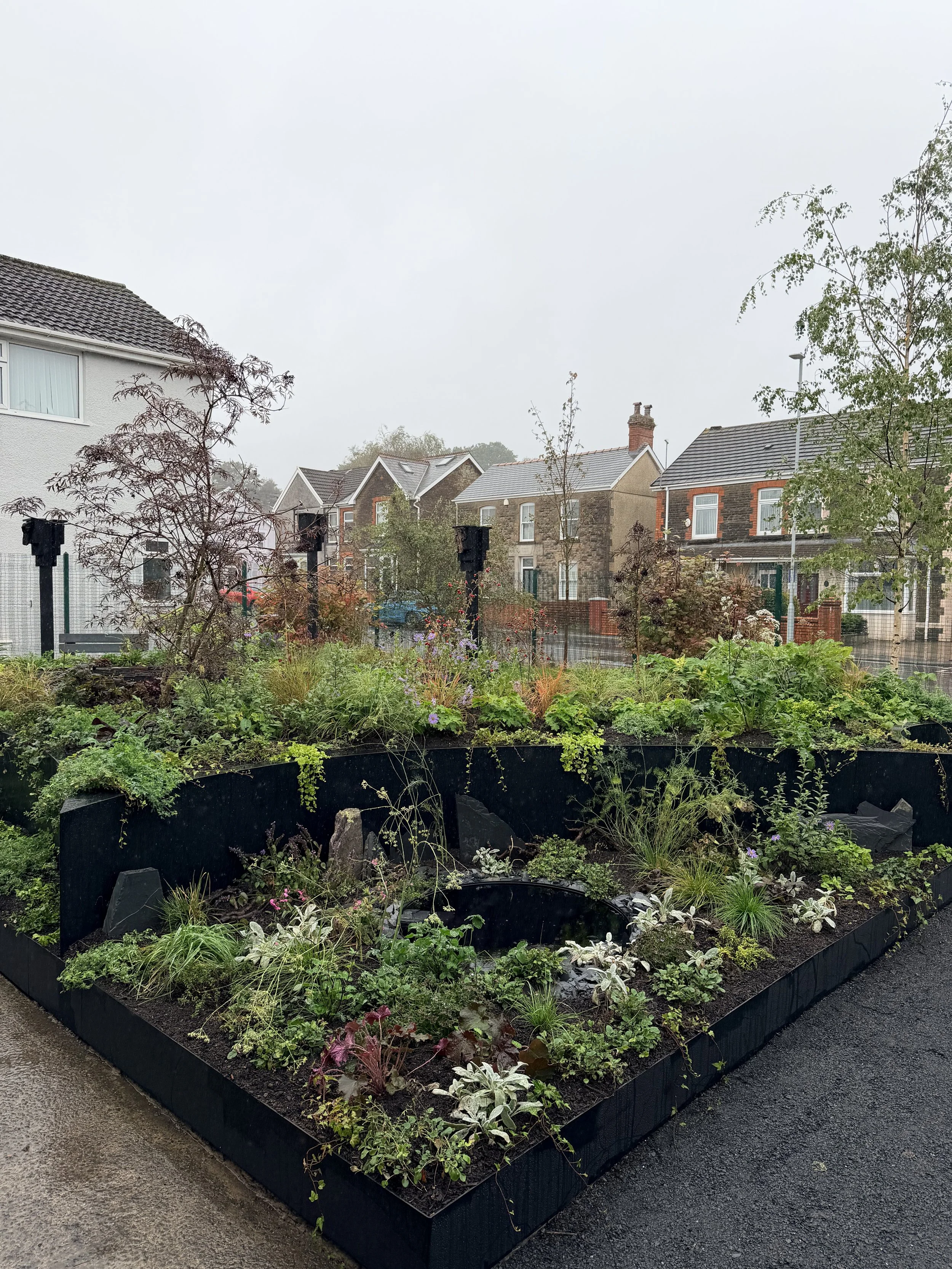
See the demonstration of bat-friendly garden design in Swansea
Visit the Nocturnal Garden in its relocation site in Clydach, just outside of Swansea in South Wales.
The garden is part of the Clydach Community Gardens, which includes a food garden. It is in a proud position on Vardre road and can be seen for free when the gardens are open, or viewed from the street.
the community gardens will run a range of wildlife gardening events there to connect people to each other through nature.