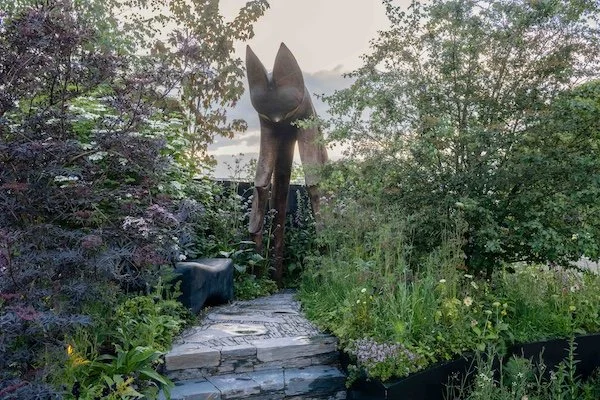
The Nocturnal Garden by Melanie Hick at RHS Chelsea Flower Show 2026
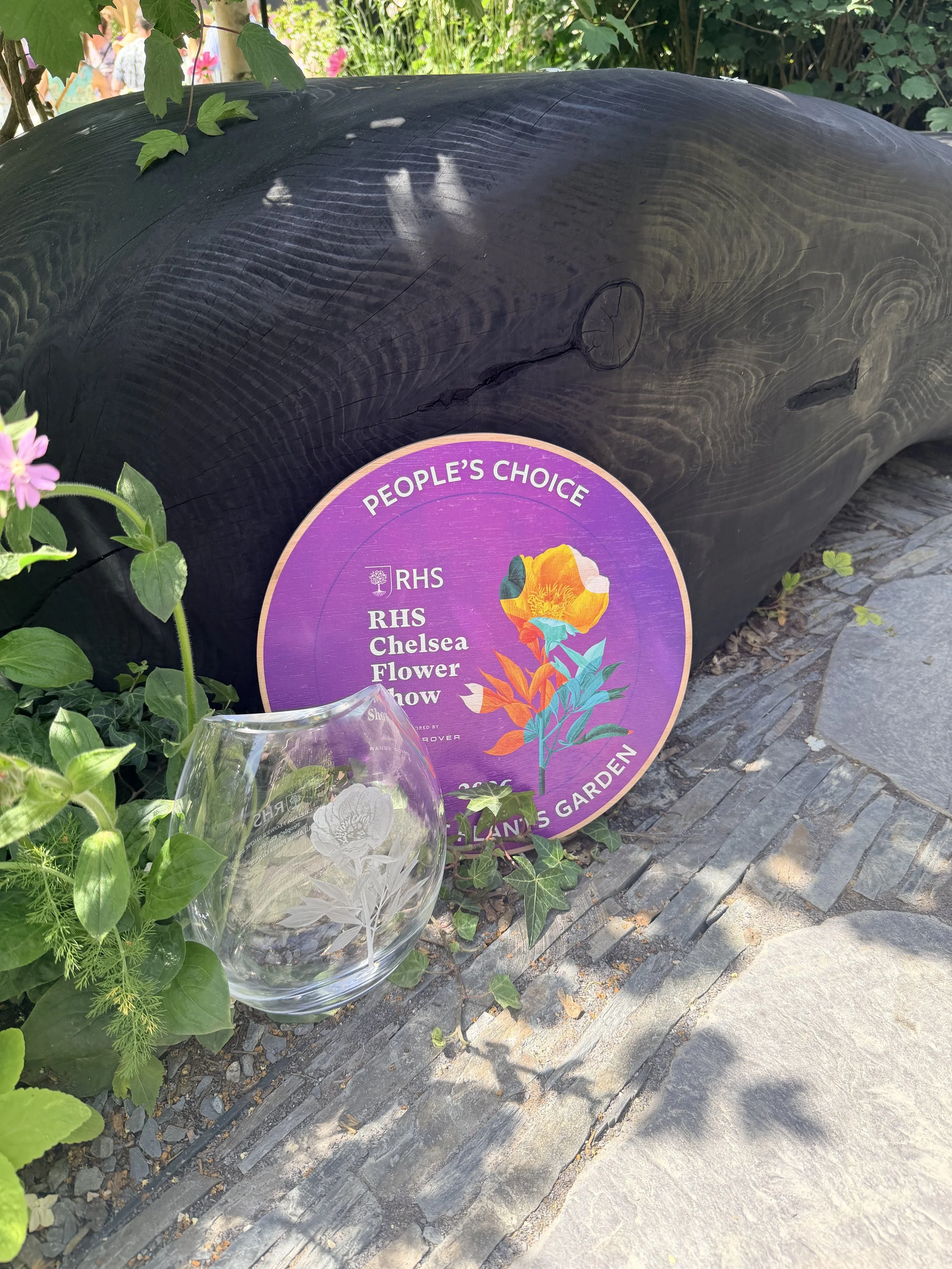
Melanie Hick Garden Design’s Nocturnal Garden for the Bat Conservation Trust won the people’s choice award in the All About Plants category and a silver medal form the RHS judges at the RHS Chelsea Flower Show 2026, sponsored by Project Giving Back.
Described by Toby Buckland as “genius” the naturalistic garden used art to drive home the message that we can support bats dwindling numbers by tweaking our planting habits.
Bats are biodiversity. I love bats and I really want to open people’s minds to thinking about how our gardens can benefit bats. In the day it’s a beautiful garden we would like to sit in. But at night, the garden comes into its second act, when the bats are swooping for their prey.
I think we’re often familiar with planting for pollinators, but these cute and sometimes weird species can be overlooked when we think about what to plant.
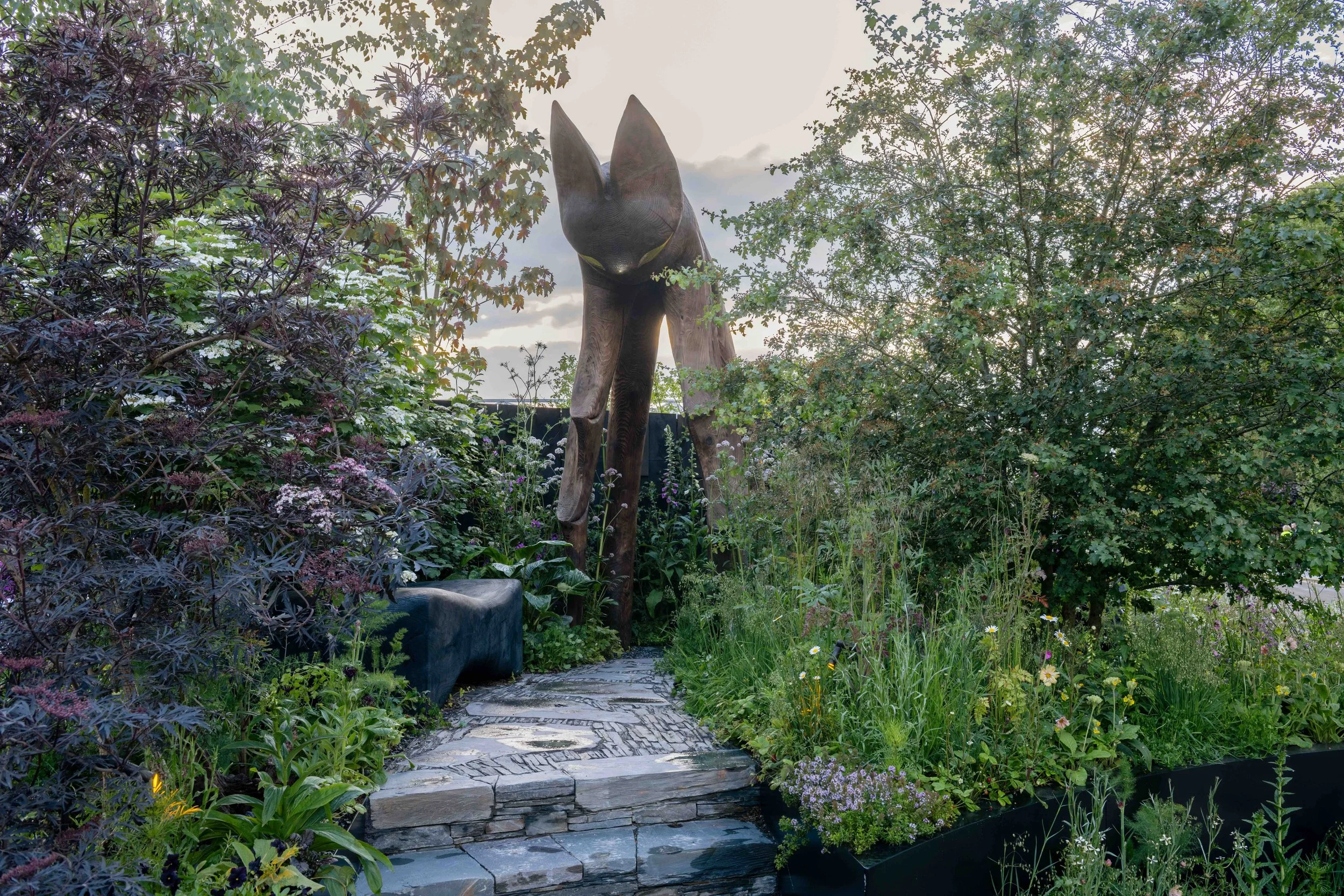
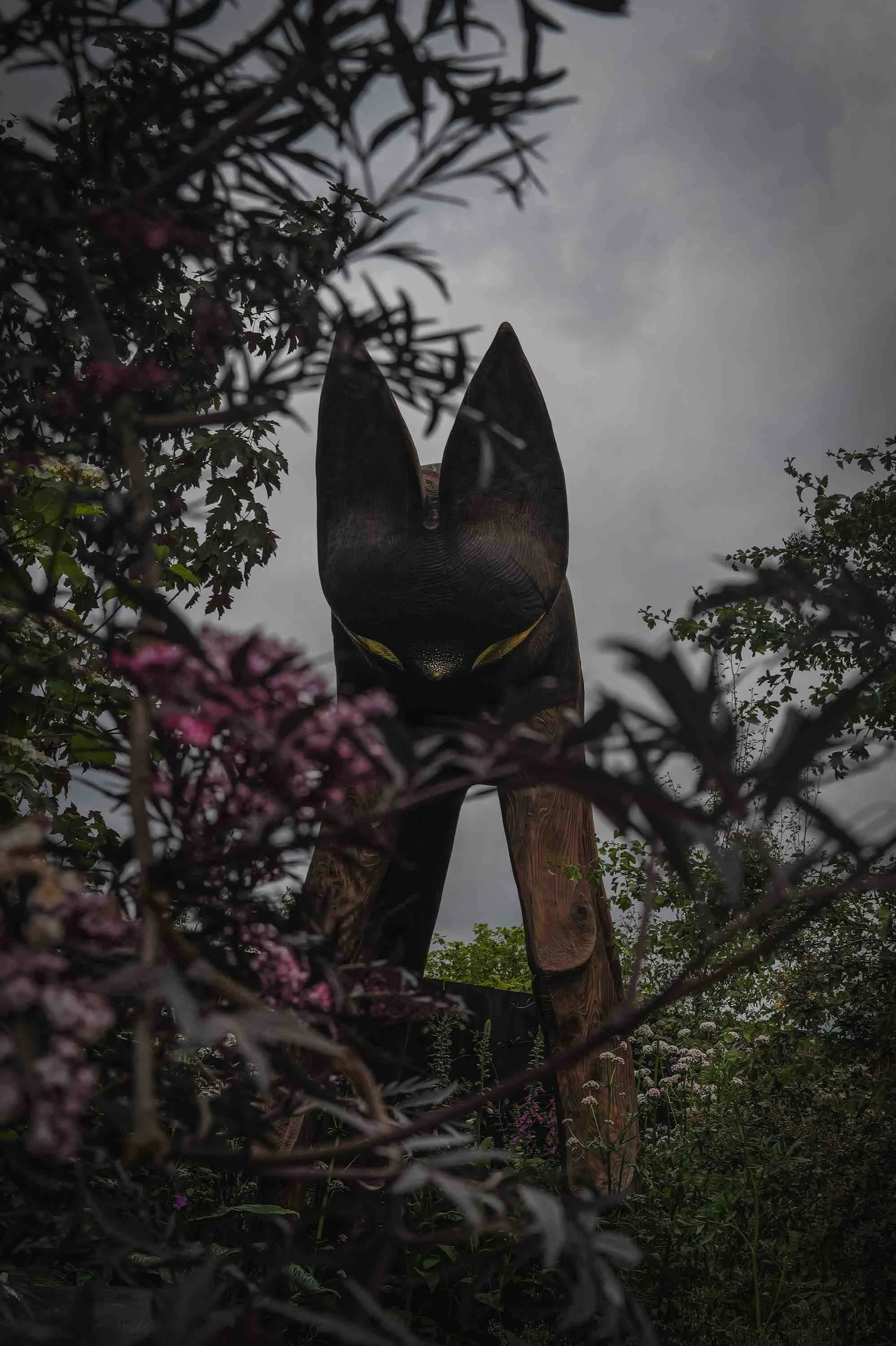
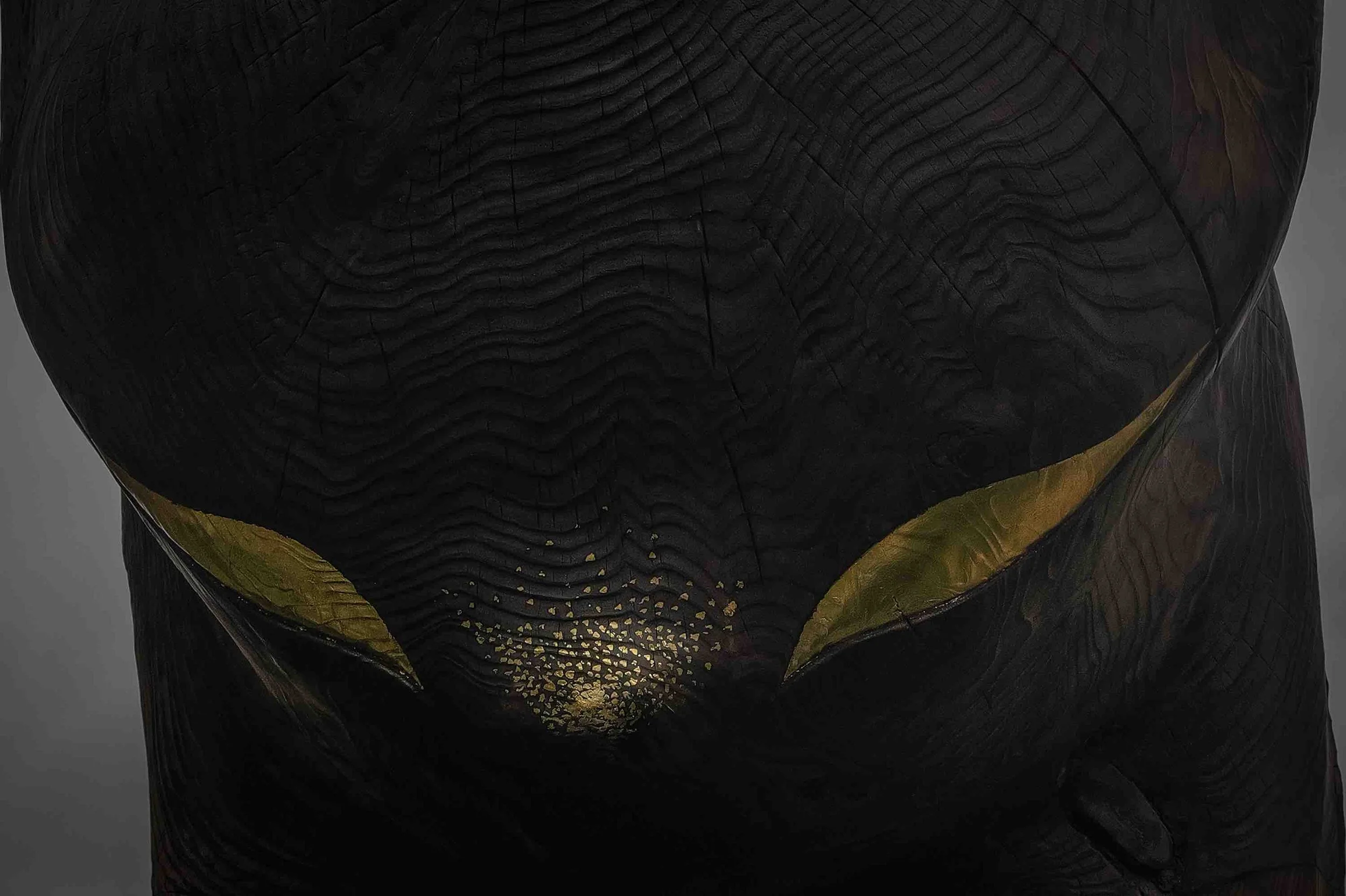
Black Amber, the sculpture by Tach Pollard, guards the garden. Credit: Bennet Smith
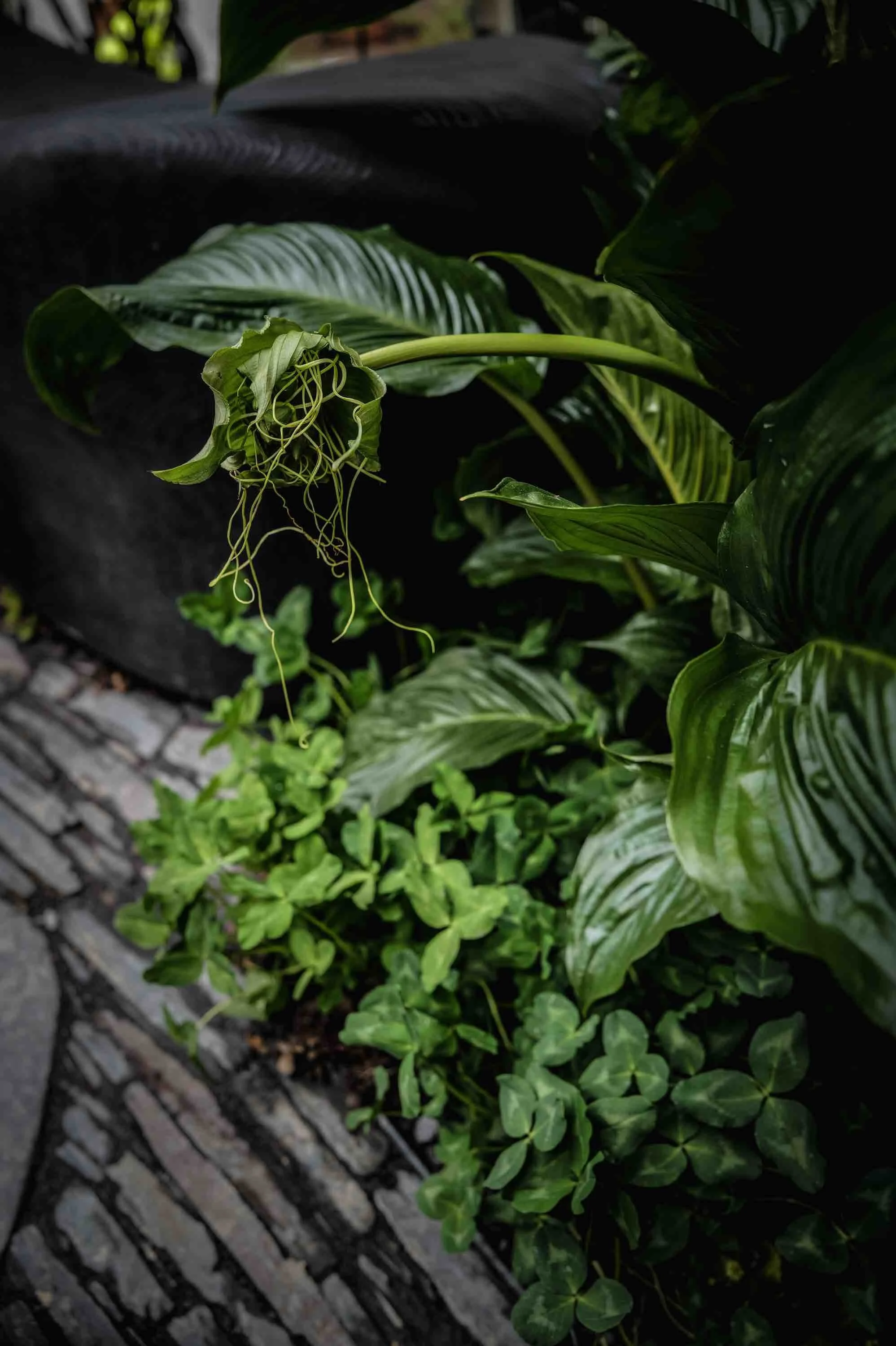
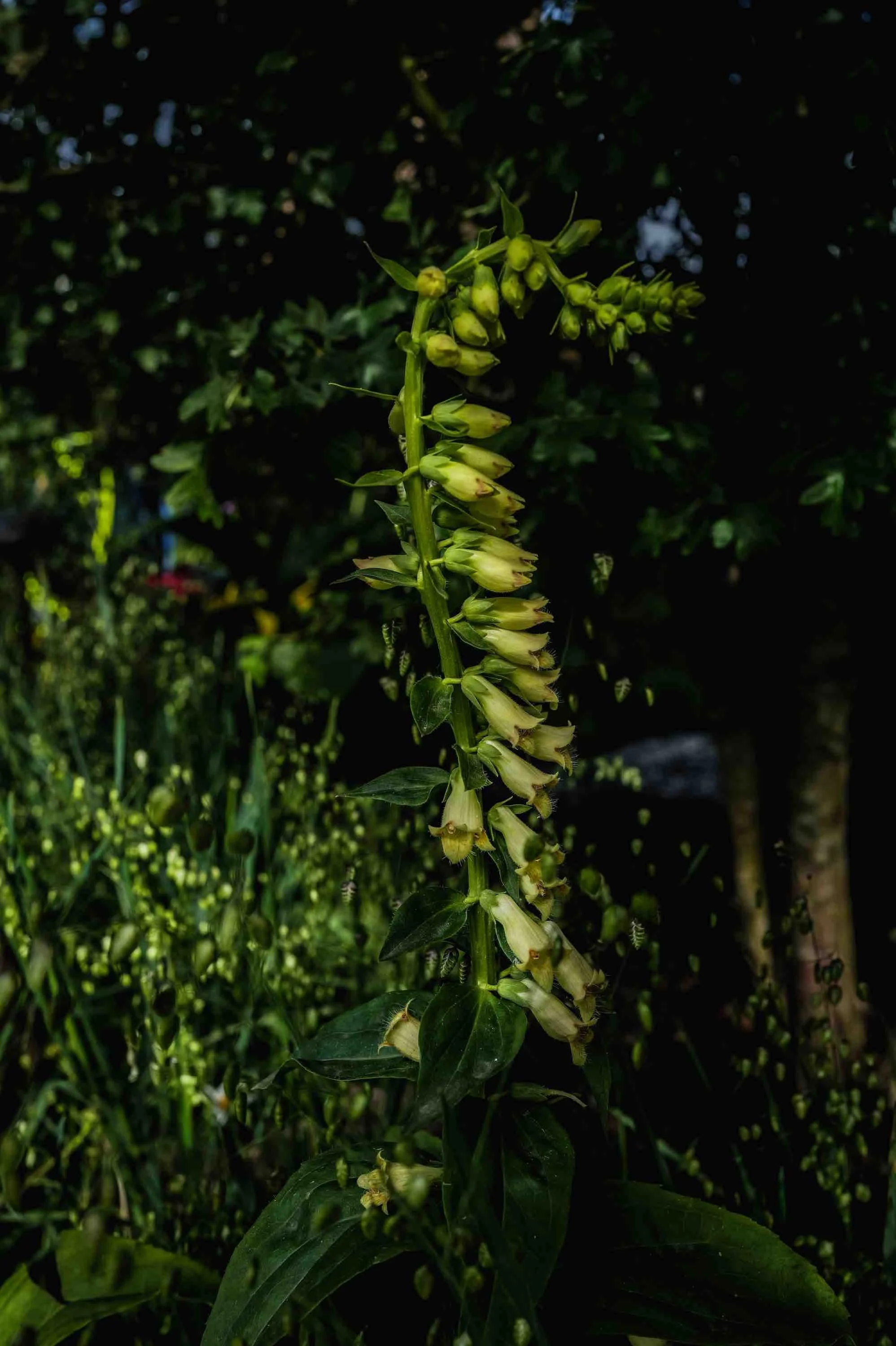
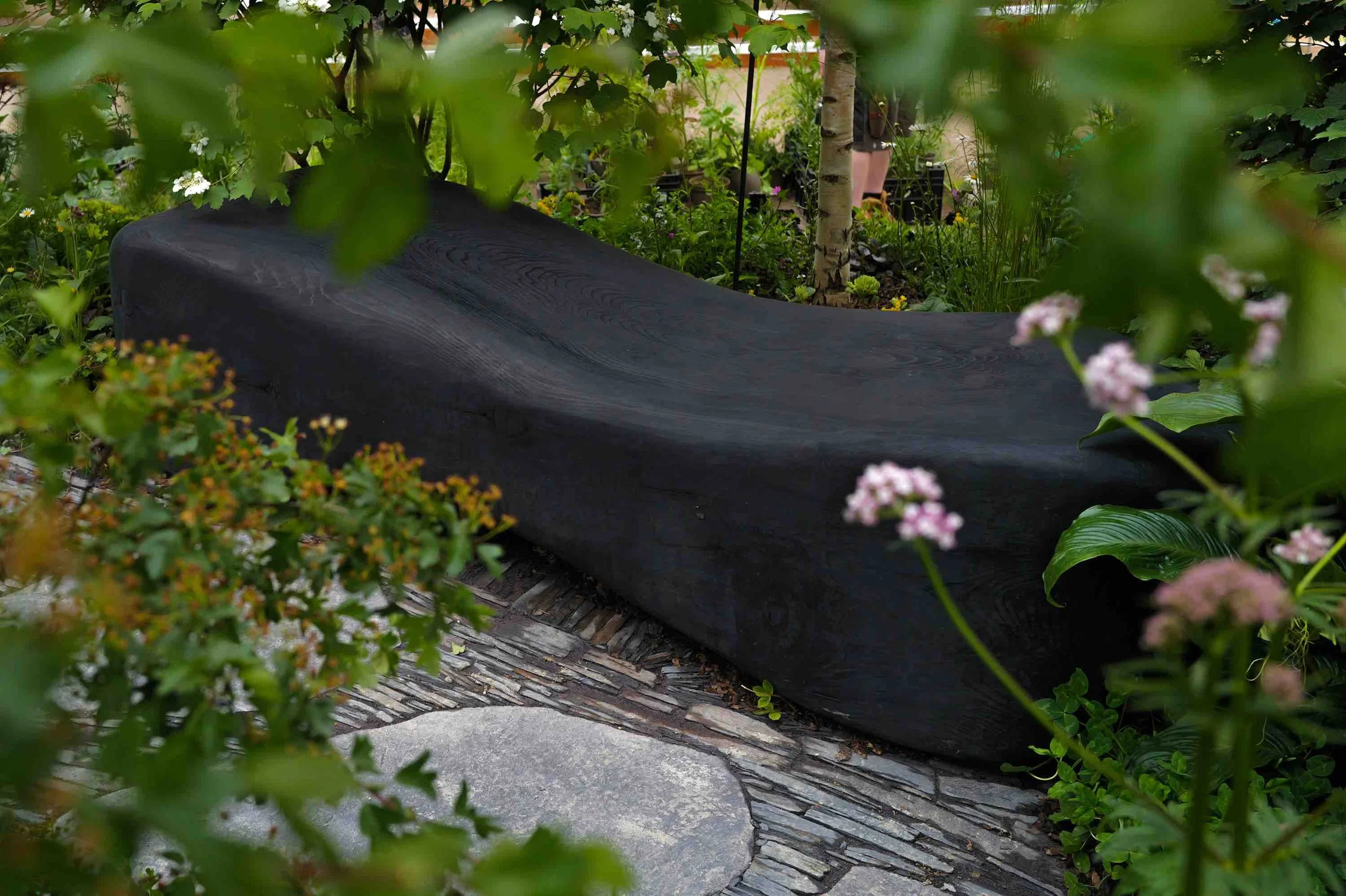
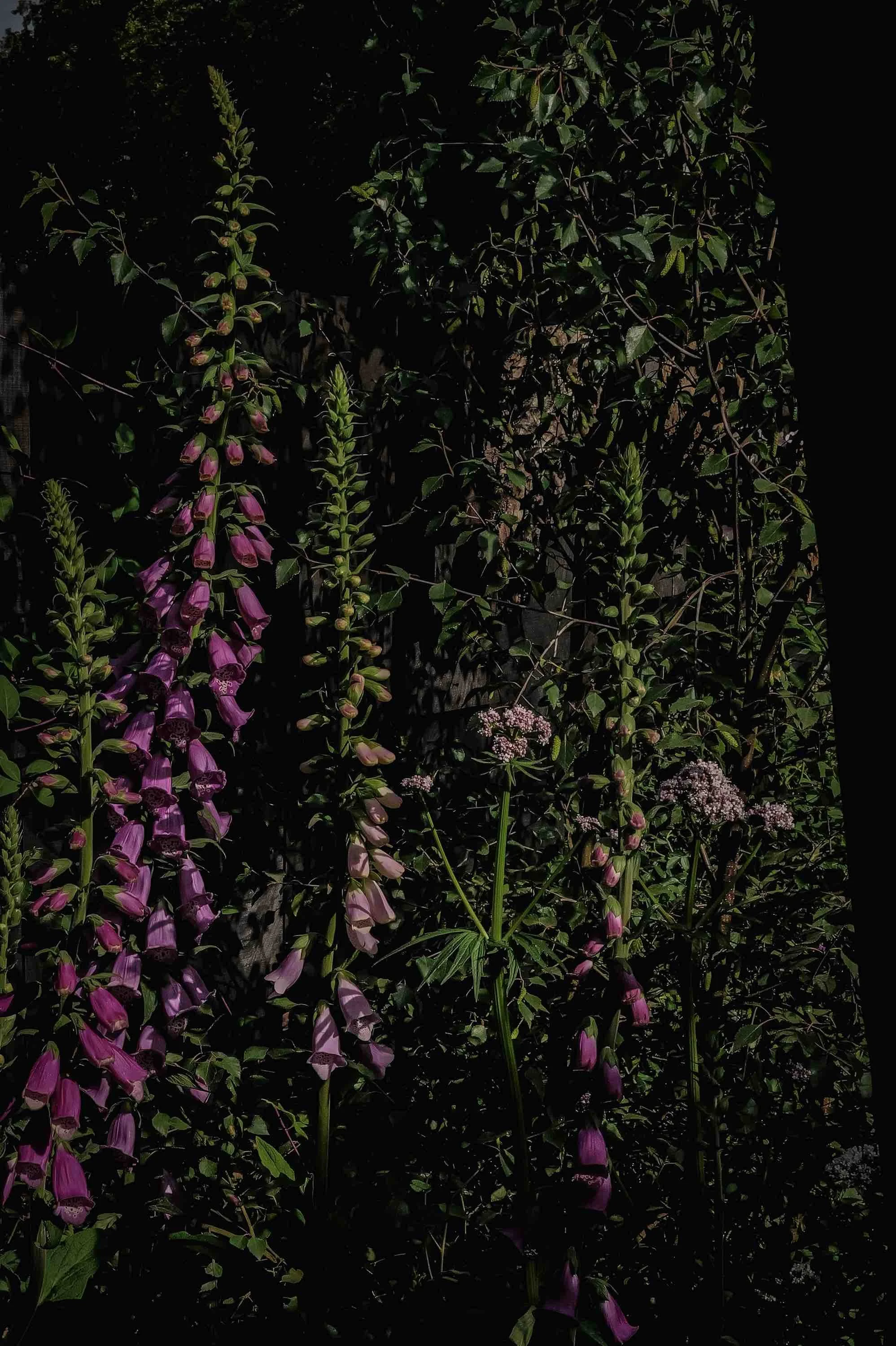
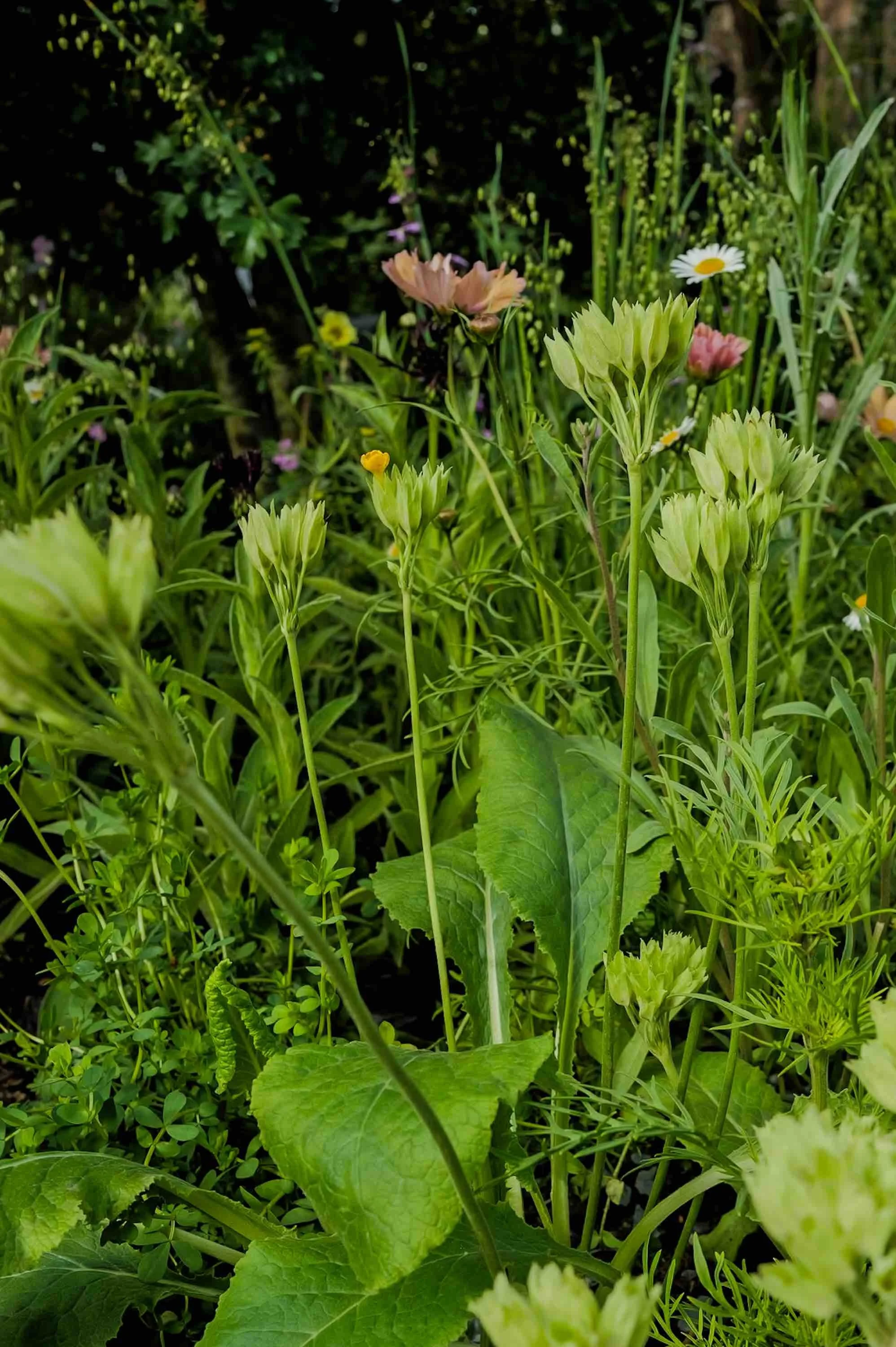
Artistic biodiversity supports bats
The plan for the Nocturnal Garden was to show that you can be species-specific when you plan a wildlife garden and anchor the theme with a piece of bespoke art that could not be forgotten.
Planting that is scientifically shown to support the insects and invertebrates that bats eat was the start.
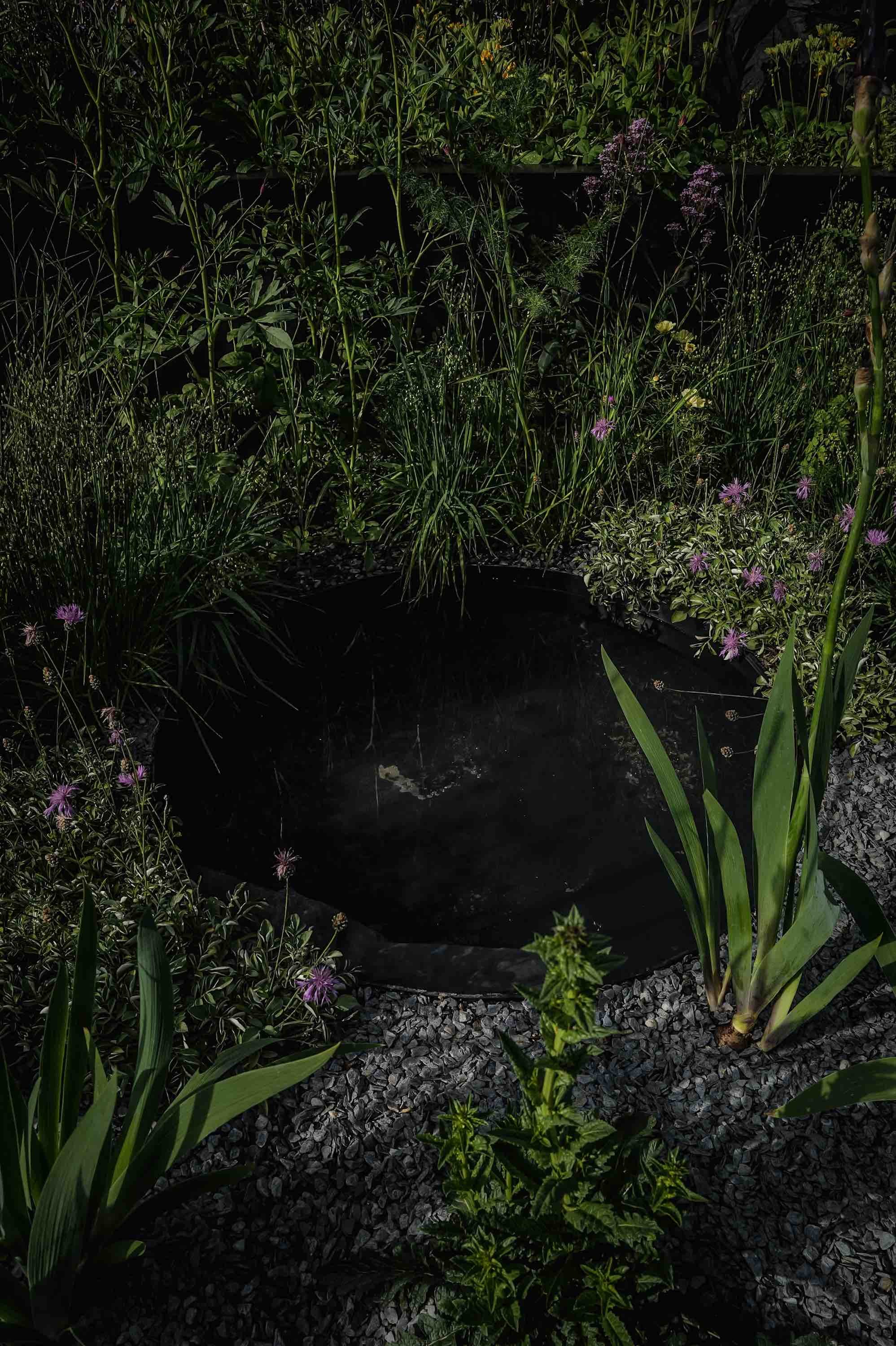
Then I added still water to support the entire invertebrate lifecycle, fallen rotten wood.
Planting in layers is essential to support the opportunistic habitat and forging of these creatures which looks like:
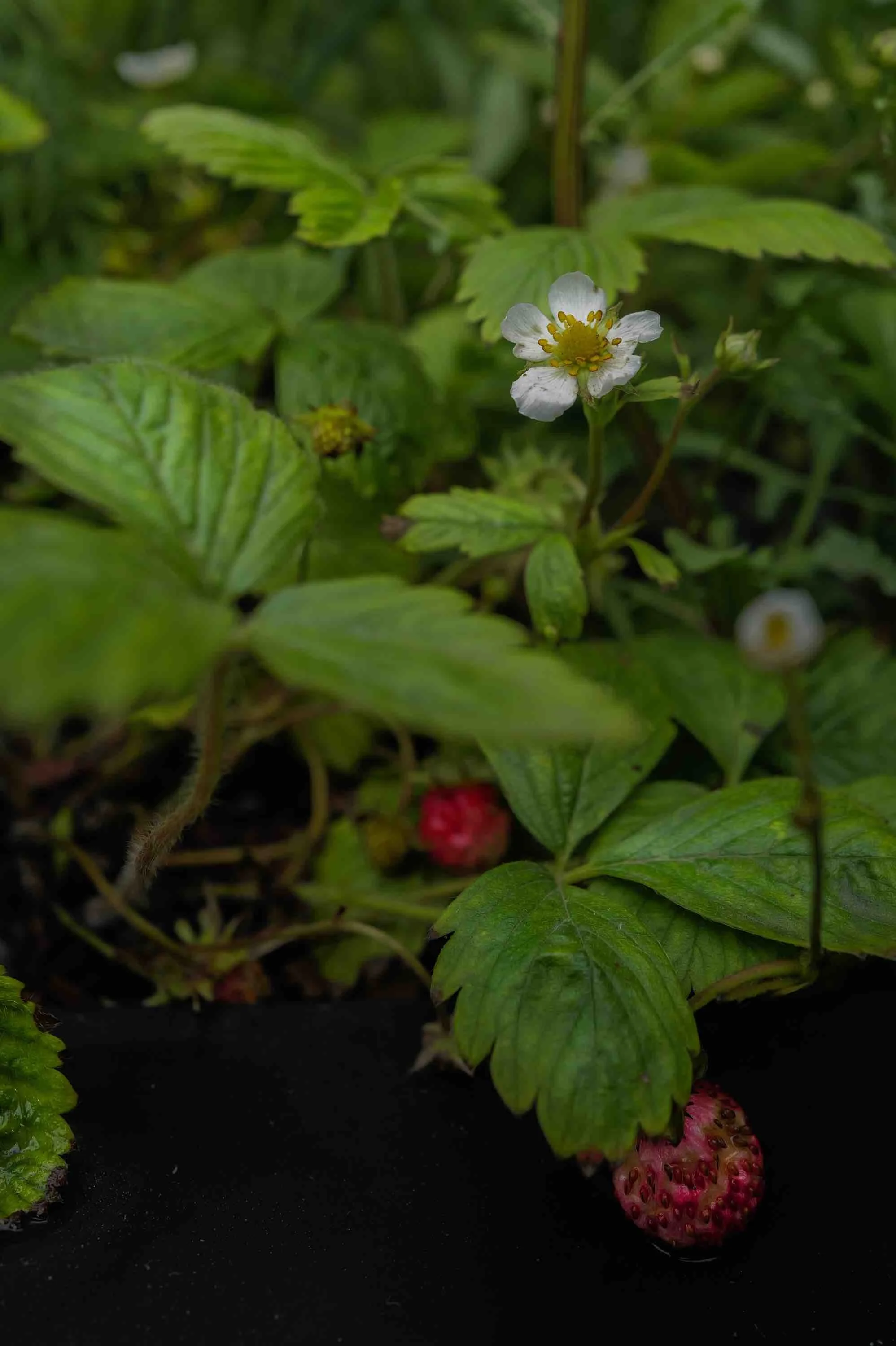
planting groundcover like wild strawberries
adding plenting of different shaped flowers at mid level
including grasses for the straight stems, pollen and seed heads
including shrubs
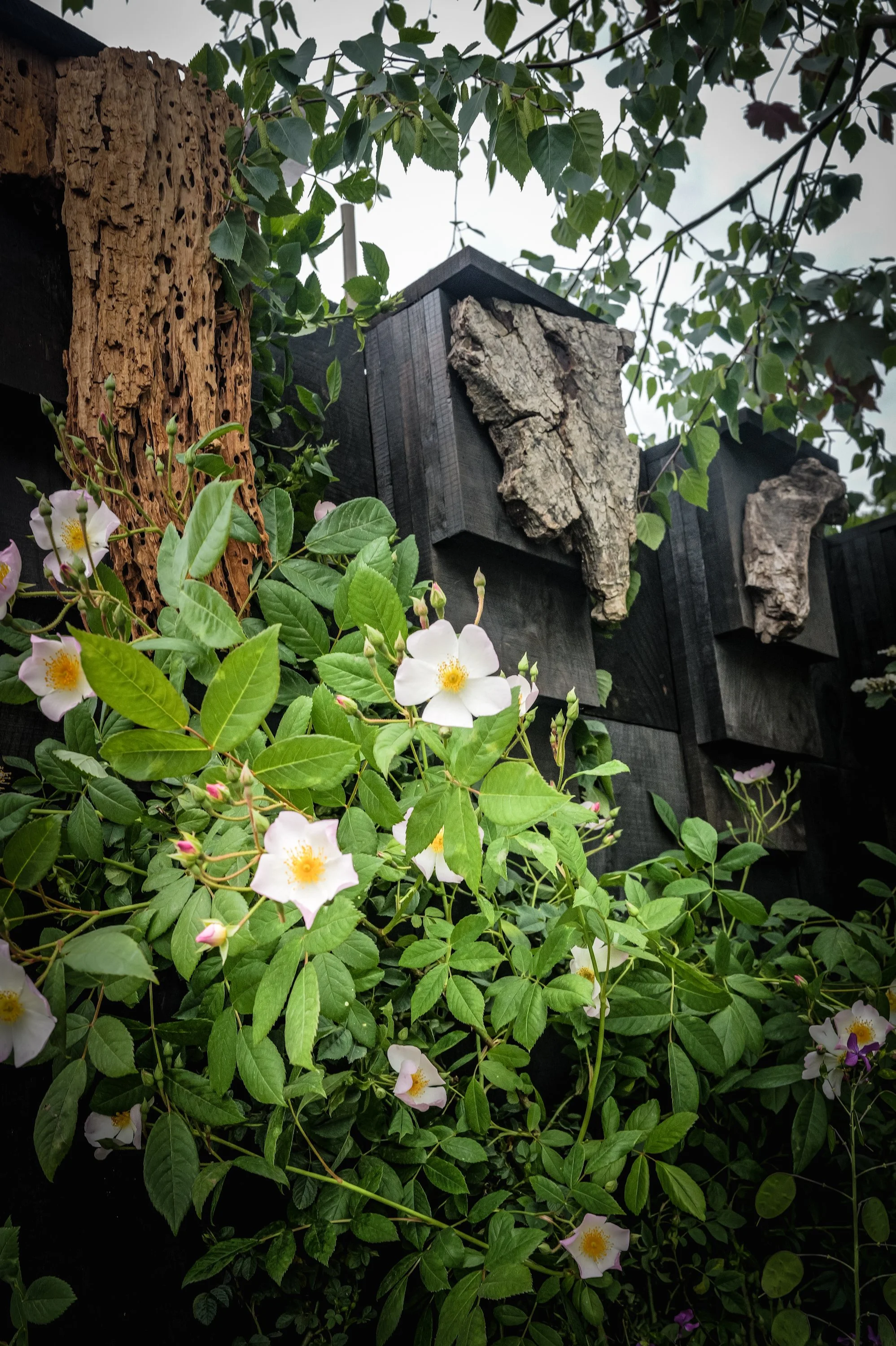
planting up walls with climbers - in this case honeysuckle and roses
including trees that we know support insects - like hedgerow favourites hawthorn and acer
The stunning sculpture acted as the talisman and lighting rod for curiosity to cry out in the name of bats.
Black Amber by Tach Pollard. Photo Credit: Ros Atkinson.
Carved from fallen cedar, the bat sculpture Black Amber was made by artist Tach Pollard at the wood yard of Ben Harman in Sussex.
The resinous wood glistened in the May light and standing under it - it was tall enough to accommodate Monty Don - was describe by one visitor as a “religious” experience.
Some Chelsea visitors who had not yet been convinced to attend snapped up resale tickets after seeing Black Amber on the BBC television coverage on the opening day of the show.
This impact shows how art is essential to anchor interest in any message carried by a meaningful garden - an ethos that Melanie Hick Garden Design weaves into all project.
A restrained palette
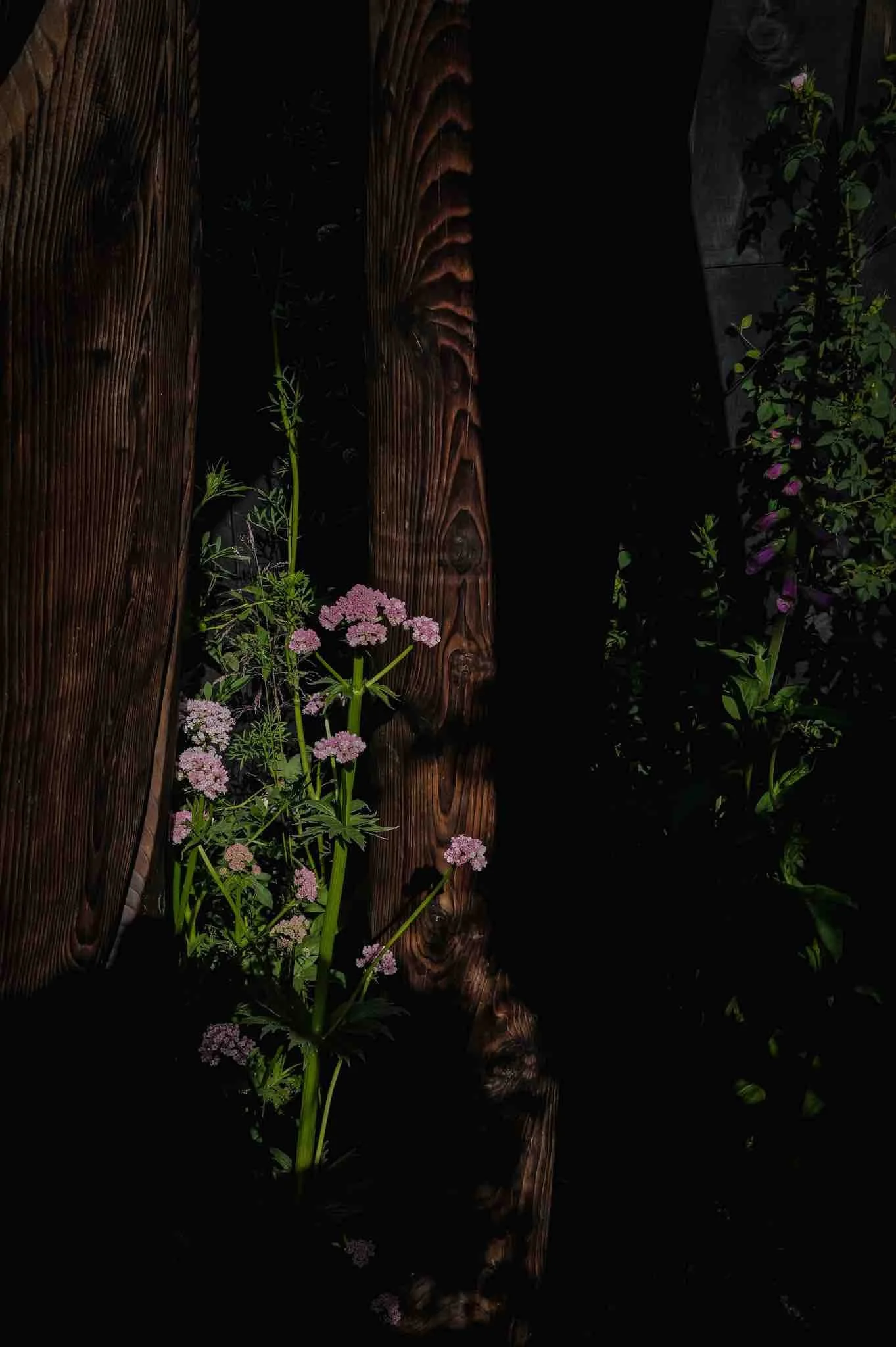
To make the ecological planting work in a designed “Chelsea” way I then restricted the colour palette to deep black, purple with shots of citrus green, apricot and hot pink. I wanted the planting design to be naturalistic and show how a contemporary garden can be a feast for the eyes, enjoyable and relatively easy to garden, as well as a powerhouse of food for bats at night.
The garden shows that long after we have tucked ourselves up at the night, the gardens we tend can support bats, when the right plants are chosen.
Download the plant list and plant your own bat-friendly garden at home or in your local community. Many of the plants are commonly considered weeds, and most are very easy to grow. You may even find you have plenty of them.
Key plants included:
Sambucus Nigra black lace
Crataegus monogyna in a mulistem form
Viola Blackjack
Cosmos Apricotta
Rosa Francis E Lester
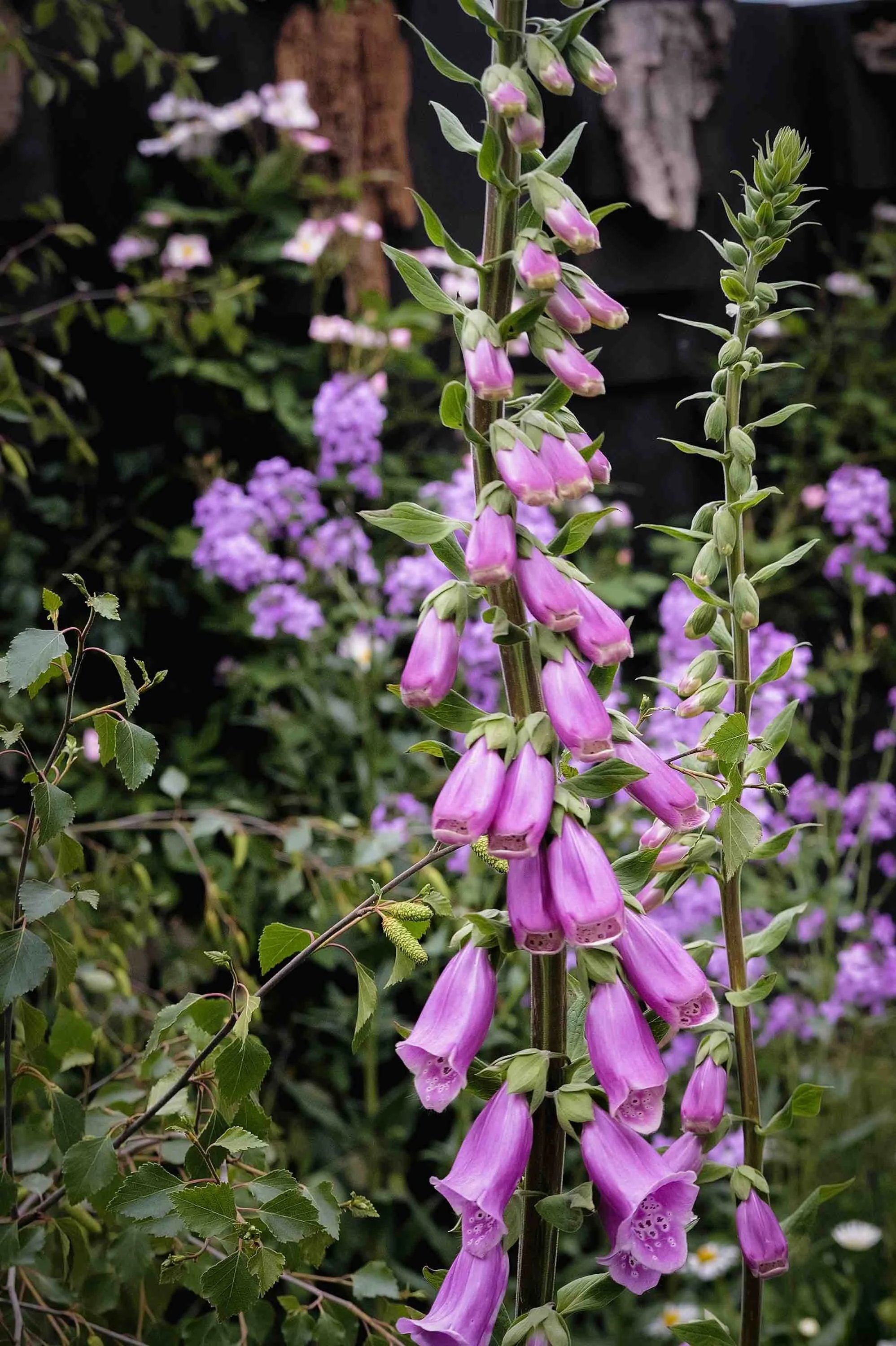
Digitalis Purpurea
Viburnum opulus
The Inspirational bat
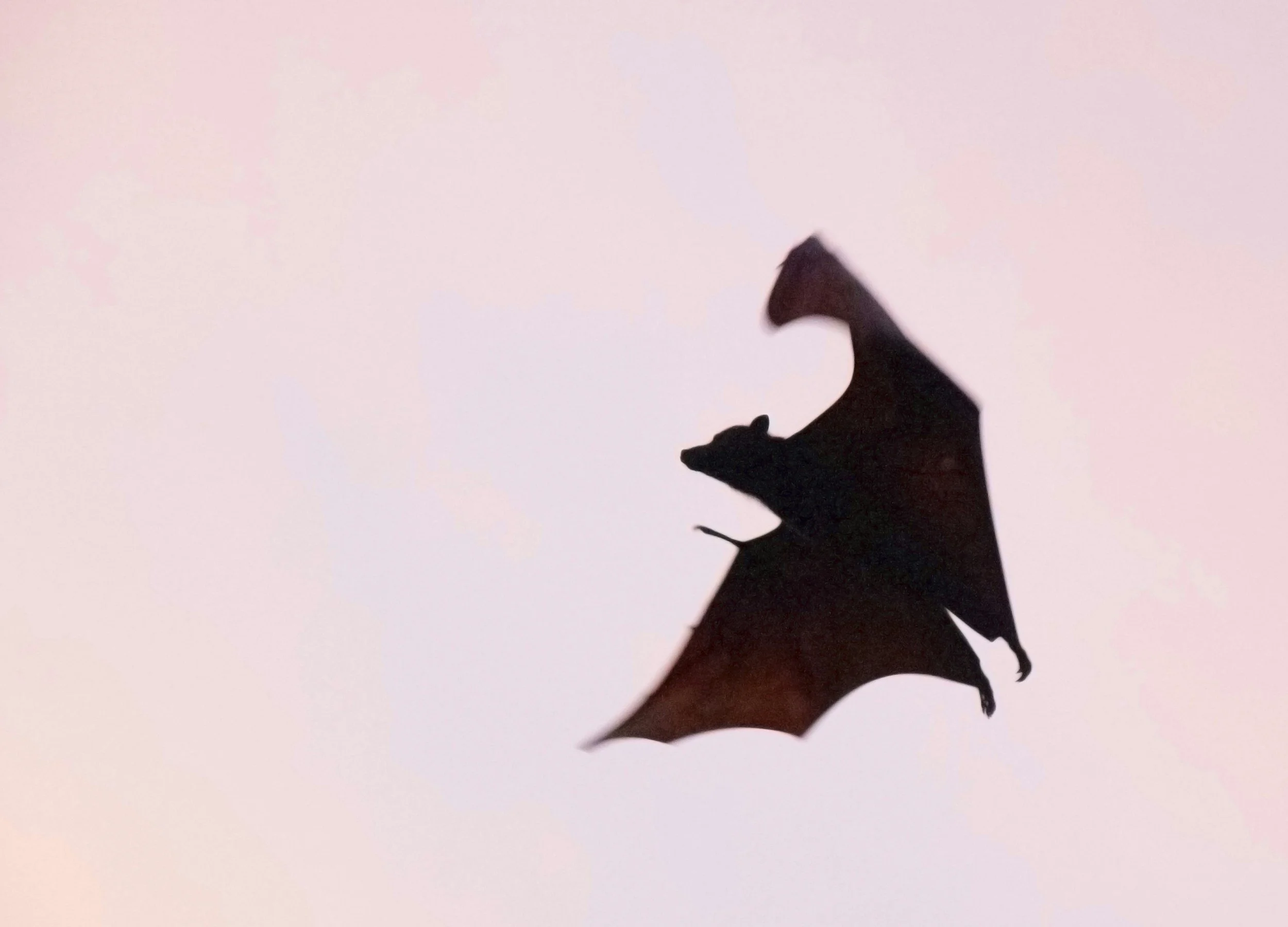
Inspired by the hues and curves of a bat’s wing, the garden was formed from steel for longevity in the shape of the sweeping curves of a bat’s wing.
The rear wall was cut from fallen cedar in the precise lengths that make up Kent bat boxes and ebonised using a natural process.
The blackest possible Welsh slate was supplied by Breedon’s Bangor quarry.
The combination of blackened steel, slate and fallen timber was important for the final relocation site of Clydach Community Gardens in South Wales, being so near to the Port Talbot steel works where so many local families had been employed for generations. The community there will make the timber into bat boxes, and use the ten boxes that were placed along the back wall at Chelsea.
Folkloric details
I always start my high concept gardens with a story. My deep interest in folklore and mythology alongside design and ecology were called on to add deep meaning and layers of interpretation to the Nocturnal Garden. Crucially for a public garden, the public is welcome and encouraged to interpret the garden as they wish. Some may see a pretty flower combination, others may be concerned by the conservation message, and fellow travellers may notice a scrying pool, hand-woven broom habitat stacks, a horned tree stump suggesting an earth God and the elusive and eerie flower of the bat plant, Tacca Chantieri. The water in the pool came from the holy well at Glastonbury’s Chalice Well on equinox, and the tools used in the garden were blessed in silence on the same auspicious day.
The story that informed the garden follows.
The Mythology of the Bat Spirit
By Melanie Hick
When we head inside at night after a beautiful day in our garden tending night-scented stock, tendrils of ivy and May’s hawthorn blooms, a kind and loving spirit emerges.
If you have keen eyes, and patience in your heart, you may glimpse her. The mother bat.
If you look up from the TV’s blue glow, and train your curious eyes to the dusk you may see her, expertly swooping for her prey.
She will be there there if you plant your garden right, plant a Nocturnal Garden, with the plants that feed tiny moths she eats.
The great mother bat, her soft dark wings twist and pull against the air. Her soft sounds to her young whisper that dinner is on its ways.
By being here in your garden, she gives your garden a second act, a second life, while you are tucked up indoors.
The great mother bat rests her soft body in the trees above your garden, and looks kindly on the plants you have taken care to plant for her. You know she is roosting nearby, living and feeding here. You know the places she can live are diminishing because of us.
So plant your beautiful garden with the plants she needs, and give life to this benign spirit.
A soft song is heard on the breeze, the baby bat calls to her, and she to they. Tenderly she comes to them with everything they need to thrive, and teaches them to fly around, like toddlers of the air.
At one with the dusk, she is not afraid of the dark. She is the dark, kind and warm, the spirit of the Nocturnal Garden.
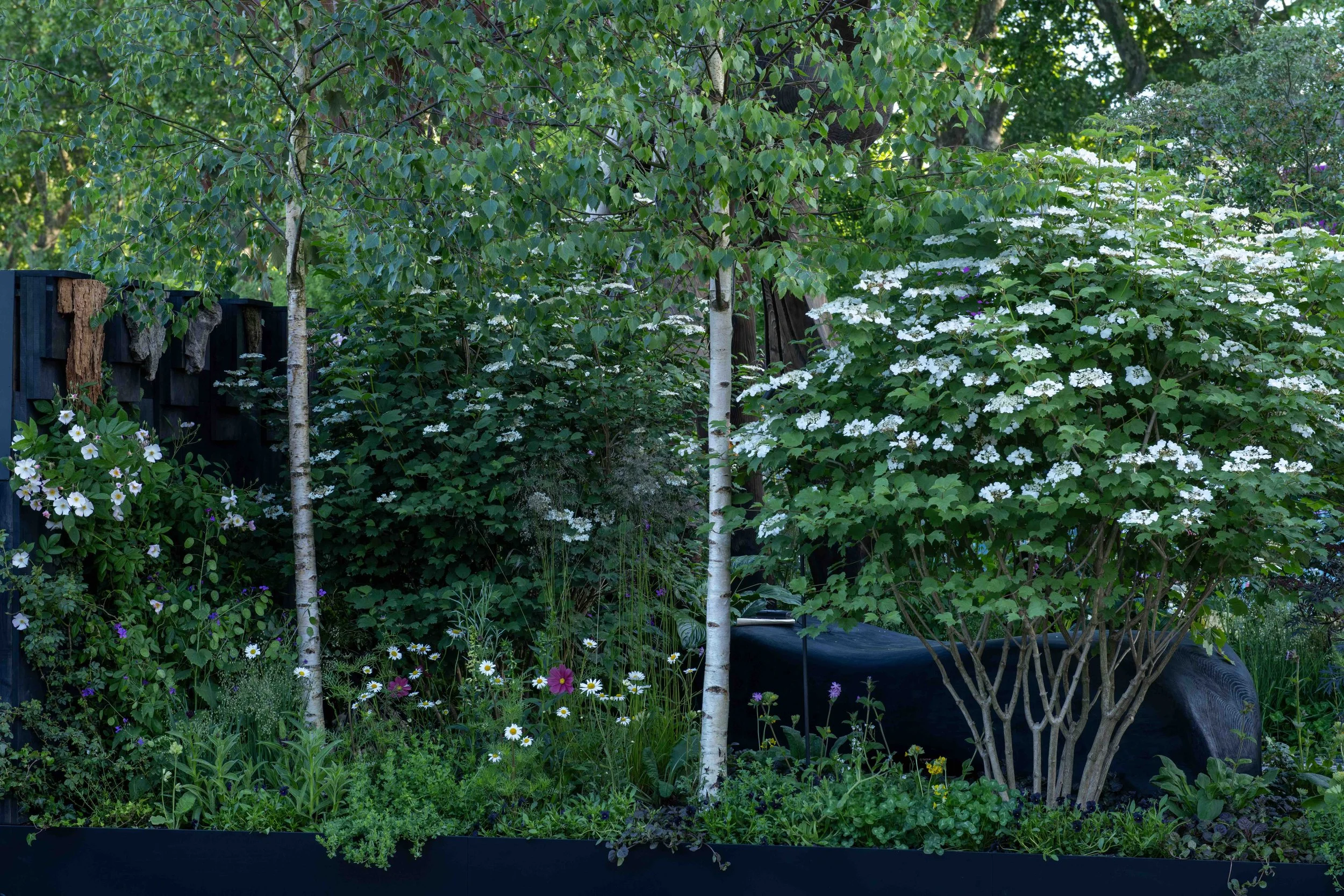
The Nocturnal Garden. Credit: Bennet Smith
The relocation to South Wales
South Wales was woven into this garden from the beginning as I knew this was where it would end up.
The garden will fill a new space at Clydach Community Gardens in Swansea, where the garden experts there will be able to use it well into the future to support education around bats and connection to nature and each other.
The site is special to me as I have a family connection nearby and have grown to love the area through it’s rich history, mythology and storytelling traditions.
I sought out the local storyteller Owen Staton and commissioned him to create a mythology of the bats of Clydach to welcome the garden to its new home.
The story of the old tales of these bats will be read at the launch of the garden in September.
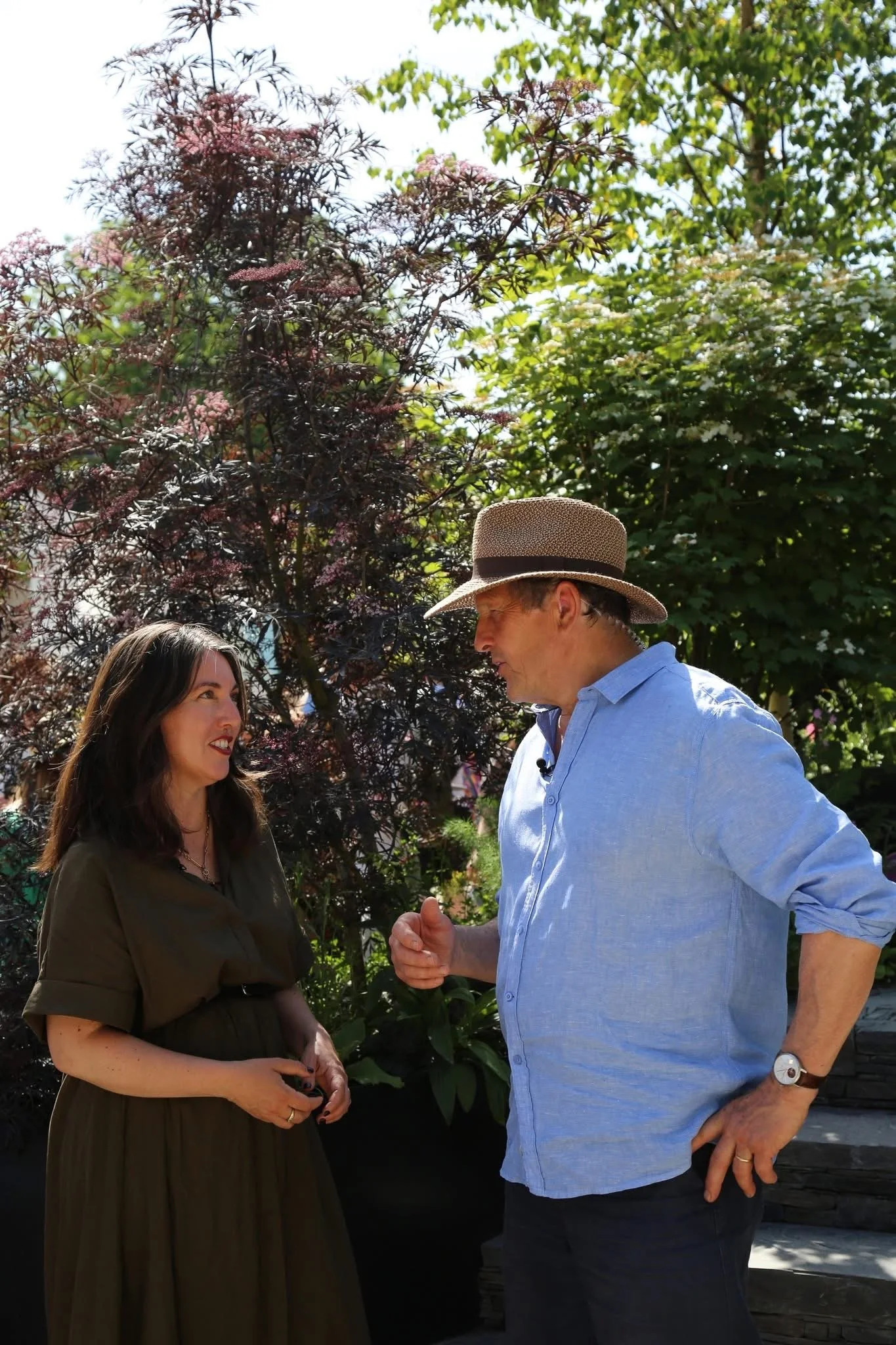
The Nocturnal Garden was widely covered by the press including an interview the Monty Don on BBC Gardener’s World.
Press coverage of the Nocturnal Garden was wide and deep and included:
Gardens Illustrated
BBC Chelsea Flower Show TV daily coverage
The Times
Channel 4 news
Gardenista
The English Garden
Country Living
New Scientist
BBC Radio Wales
The Independent
For press
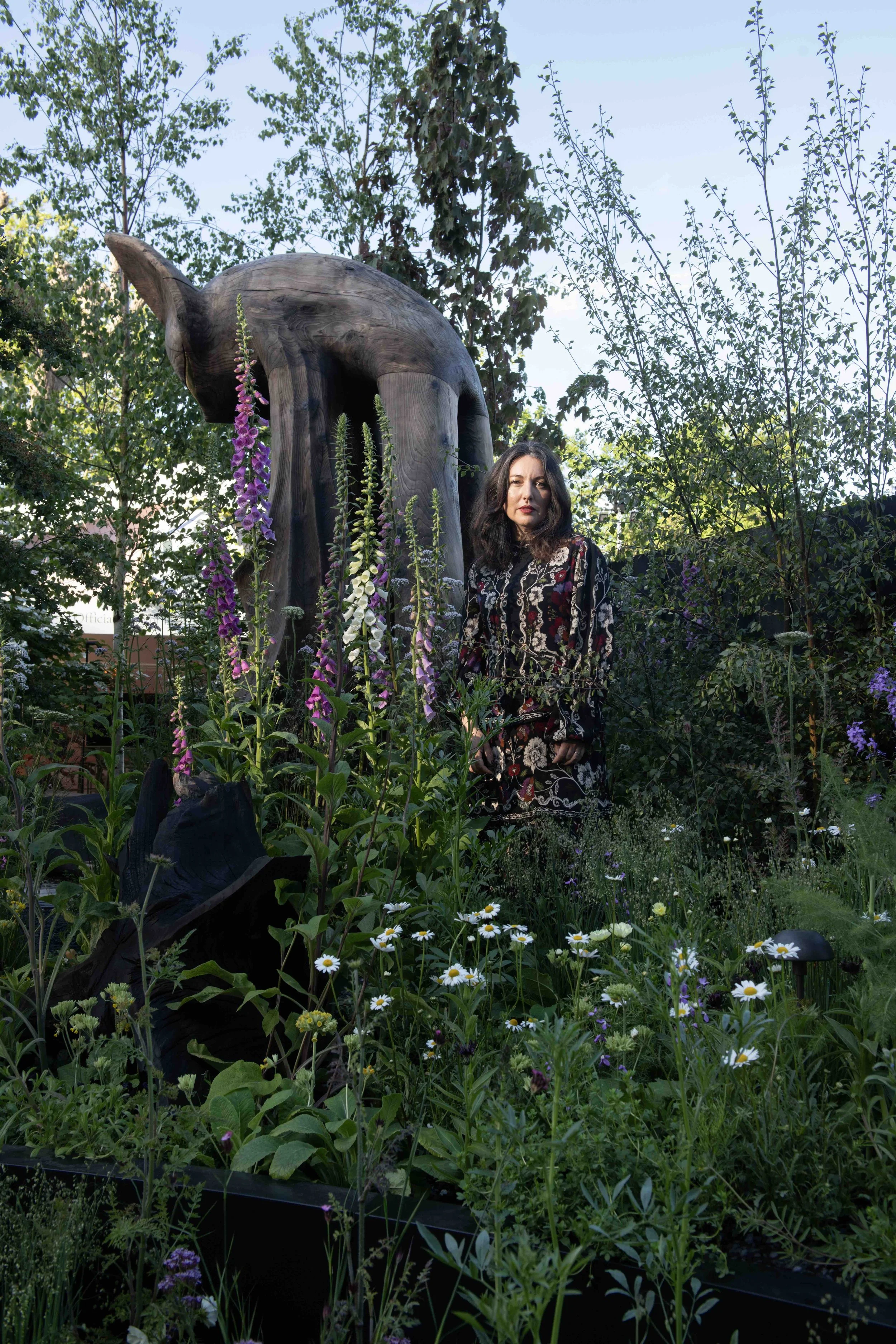
Melanie Hick by Bennet Smith